
Your first visit
Are you not yet a patient with us? Read how to register and how the first appointment goes. In your application, you can already explain your questions and wishes.
Information for new patientsFear of the dentist is a common issue. Read here how to cope with it and what to expect during your visit.

Fear of the dentist is normal and can be addressed in various ways. Here you will find tips on sharing experiences, getting to know the dentist without a treatment promise, and discussing a stop signal.
Many people experience fear of the dentist, which is completely normal. It is important to know that you are not alone and that there are ways to reduce this fear. In this text, we discuss how to share your experiences, what to expect during an introduction, and how to set a stop signal. We will also explain the importance of anesthesia and its limitations.
Sharing your experiences can be an important step in dealing with fear of the dentist. Talk to friends, family, or even online communities about your feelings. It can help to hear that others have similar fears and how they have dealt with them. This can also give you a sense of support.
Additionally, you can discuss your fear with your dentist. A good dentist will listen to your concerns and work with you to find solutions. This can range from adjusting the treatment environment to providing extra explanations about what will happen. The feeling of control can significantly reduce your fear.
An introductory conversation without a direct treatment promise can be a valuable way to reduce your fear. During such a conversation, you can get to know the dentist and ask questions about the practice and treatments. This helps to build a trusting relationship, which is essential for good cooperation.
Use this opportunity to share your concerns. A dentist who understands what you are struggling with can reassure you more and help you create a treatment plan that suits you. This can also help lower the threshold for any potential treatment.
It is important to have a stop signal that you can use during a treatment. This can be a hand gesture or a word that you can use if you feel uncomfortable. Discuss this in advance with your dentist so that he or she knows when you need a break. This can provide a sense of control.
By agreeing on a stop signal, you can go through the treatment at your own pace. This can help reduce fear and give you a sense of safety. It is important that you feel comfortable during the treatment.
Anesthesia can be an effective way to reduce pain during a treatment, but it is not a guarantee that you will experience no discomfort at all. Each person reacts differently to anesthesia, and sometimes additional anesthesia may be needed. Discuss this with your dentist to understand what to expect.
It is important to have realistic expectations about the effects of anesthesia. Your dentist can help you make the right choices and can also explain what alternatives are available if you feel uncomfortable. The goal is to create the most comfortable experience possible.
Good preparation can help reduce fear. Think about what you want to discuss during your appointment and write down your questions. You may also consider bringing a friend or family member for extra support. This can help you feel more relaxed.
Additionally, it can help to look at the practice environment in advance, for example, through the website or social media. This gives you a better idea of what to expect and allows you to prepare better for your visit.
Aftercare is an important aspect after a dental visit, especially if you were anxious. Make sure to take good care of yourself and take the time to recover. This may involve resting or paying extra attention to your oral hygiene. Your dentist can advise you on what to do after the treatment.
Regarding costs, it is important to know that these can vary depending on the treatment. Discuss this with your dentist so that you have a clear picture of what to expect. This can help reduce financial concerns and reassure you.
Talk to friends or family about your anxiety. This can help you find support and gain new insights.
Schedule an introductory meeting with your dentist. This helps to build a trusting relationship without pressure.
Determine a stop signal with your dentist so that you feel safe during the treatment.
Prepare your questions and consider bringing someone along for extra support.
Follow your dentist's aftercare instructions and take good care of yourself after the treatment.
Sharing your experiences with others and discussing your fears with your dentist can help. Also consider an introductory meeting without treatment obligation.
Write down your questions and consider bringing someone for support. You can also explore the practice environment through the website.
A stop signal is a way to indicate that you need a break during the treatment. This gives you control and can help reduce anxiety.
Anesthesia can help reduce pain, but it is not a guarantee that you will not experience discomfort. Discuss your concerns about this with your dentist.
Aftercare may involve following your dentist's instructions and taking care of yourself. This may include resting and paying extra attention to oral hygiene.
Are you not yet a patient with us? Read how to register and how the first appointment goes. In your application, you can already explain your questions and wishes.
Information for new patientsAre you apprehensive about an appointment? Tell us what you are worried about. Read more about our guidance and discuss what explanation or support you would find helpful.
Dealing with fear of the dentistAsk what treatment is being proposed and what costs are associated with it. Do you have questions about payment? Check the information about payment options or contact us.
Payment and payment optionsRequest an appointment, and we will see together what is needed.

On this page, you will read everything about anesthesia and comfort during dental treatments. We discuss local anesthesia, preparation, aftercare, and more.
View options
Emergency care for dental complaints requires a telephone assessment. In case of severe symptoms such as shortness of breath or swallowing problems with swelling, immediate help is necessary.
View options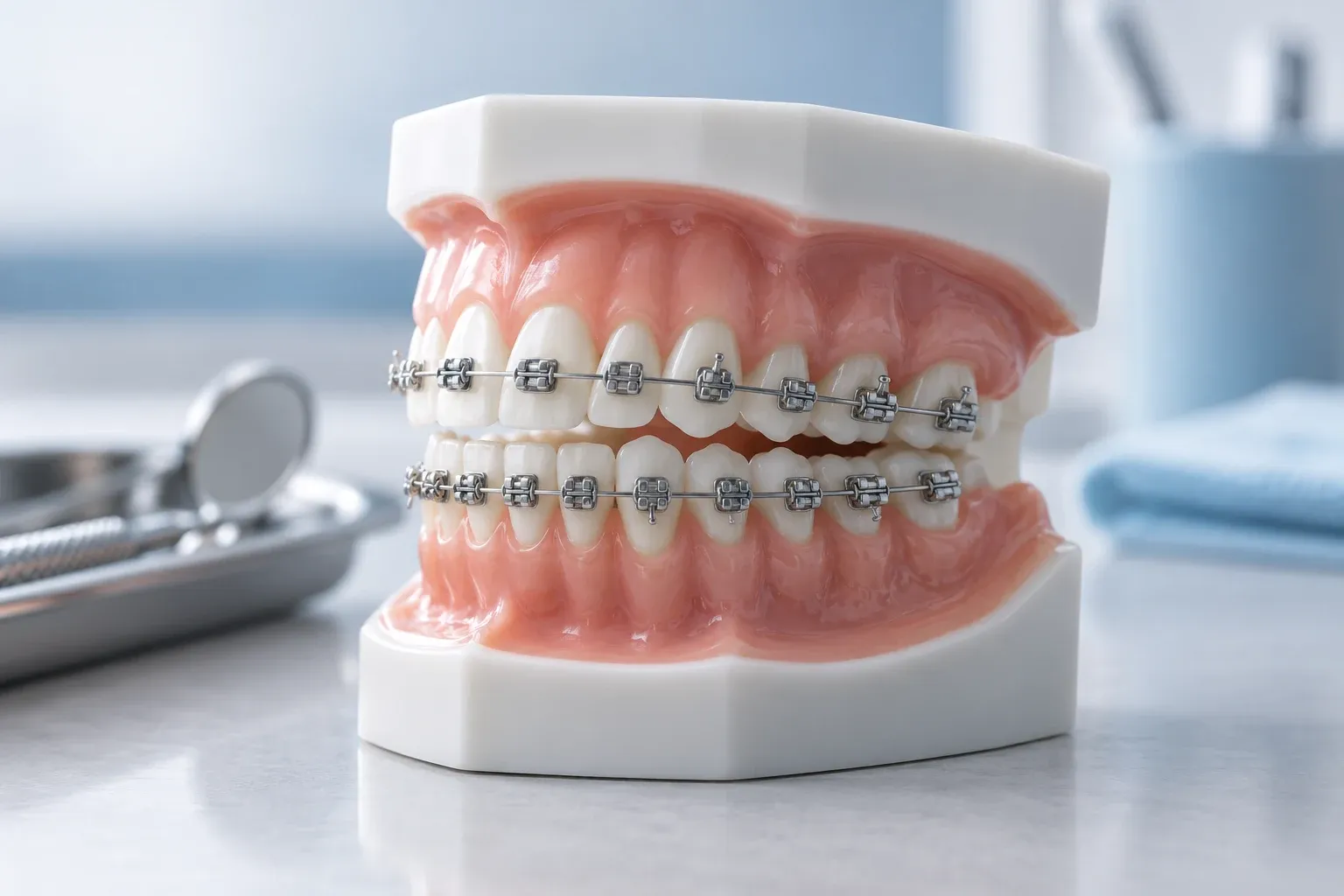
Braces are an effective way to correct the alignment of your teeth and bite. Here you can read more about the examination, the different brace options, maintenance, and retention.
View options