
Your first visit
Are you not yet a patient with us? Read how to register and how the first appointment goes. In your application, you can already explain your questions and wishes.
Information for new patientsA healthy mouth starts at a young age. Learn how to support your child with dental care and oral hygiene.
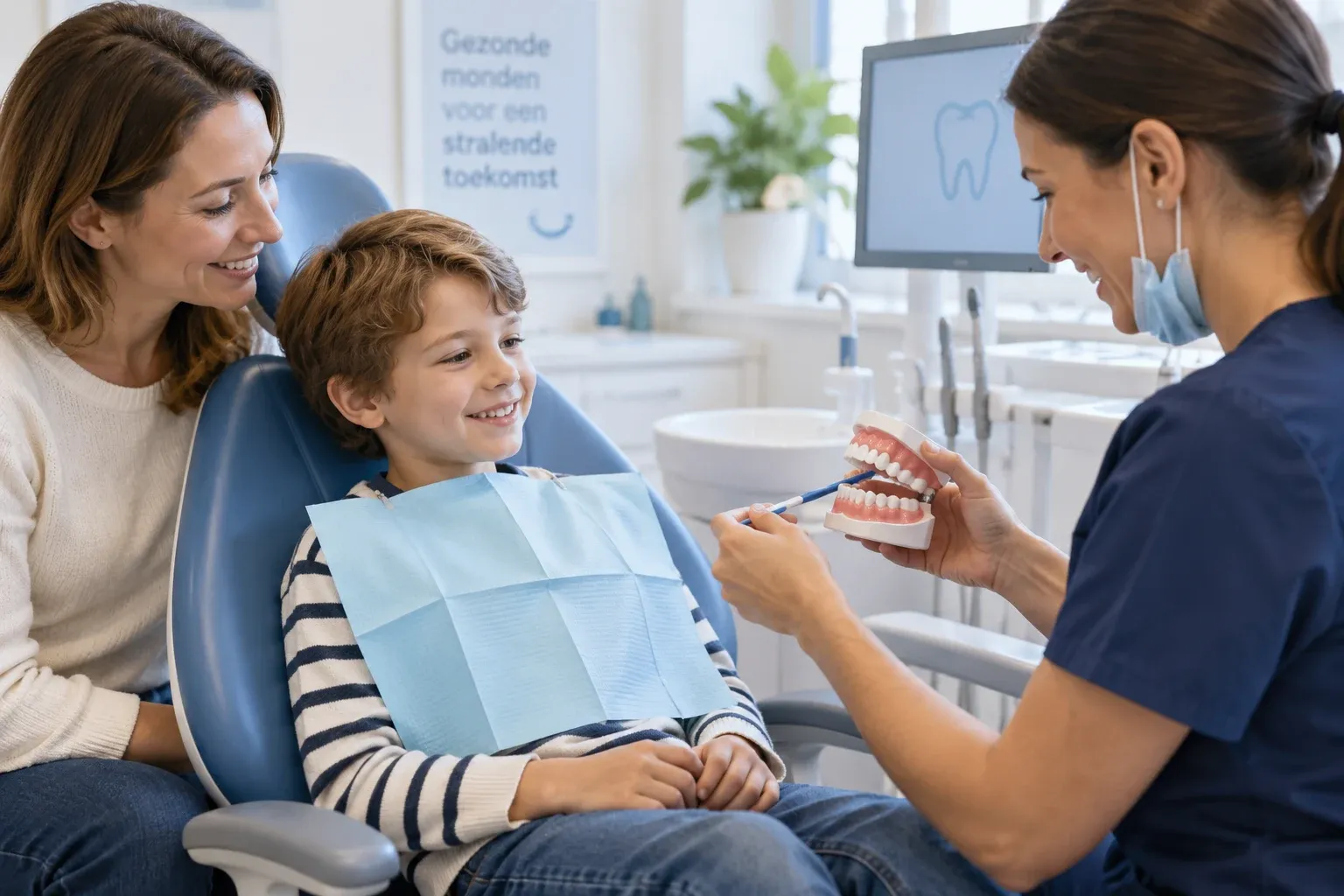
Dental care for children is essential for good oral health. From getting used to the dentist to discussing oral care with your child, this page offers practical tips and insights.
It is important to get children accustomed to dental care at an early age. This not only helps reduce anxiety but also fosters a positive attitude towards oral care. By regularly visiting the dentist, children learn that this is a normal part of their routine. Creating a safe and trusted environment is crucial in this process.
A first visit to the dentist can be exciting for your child. It is important to prepare for this moment well. You can make the visit fun and interesting by, for example, talking about the dentist and what will happen. You can also bring toys or books that approach the topic of dental care in a playful way.
It is also helpful to set a good example yourself. Show your child that you regularly visit the dentist and that you value taking good care of your teeth. This helps create a positive association with dental care.
Parents play a crucial role in their children's oral care. It is important to have open conversations about the importance of good oral hygiene. You can brush your teeth together with your child and explain the importance of flossing. This also makes it easier for your child to ask questions and share any fears.
Additionally, you can develop a routine for oral care together with your child. This can help make the process more enjoyable and ensures that your child understands its importance. It is also good to emphasize that it is not only about visiting the dentist, but also about daily care.
Discussing oral care with your child can be done in a playful manner. For example, use stories or drawings to explain how bacteria accumulate and why brushing teeth is so important. This makes the topic more accessible and less intimidating.
You can also create a brushing schedule together with your child. This can help make brushing more fun and ensures that your child is aware of the daily routine. Using a timer or a fun song can also help facilitate brushing.
Prevention is an important aspect of dental care for children. This includes not only regular brushing but also limiting sugary snacks and drinks. It is good to teach children about healthy nutrition and how it contributes to good oral health.
Additionally, it can be useful to have your child's teeth checked regularly by a dentist. This helps to detect and treat problems early. Preventive care may also include fluoride treatments, depending on your child's needs.
Aftercare following a dental visit is just as important as the treatment itself. Talk to your child about what happened and answer any questions. This helps to alleviate any fears and ensures that your child feels heard.
Additionally, it is important to continue the oral care routine. Keep brushing together with your child and ensure good oral hygiene. This reinforces the habits you have developed together and helps your child continue to make healthy choices.
Talk to your child about what will happen and make the visit enjoyable by preparing with books or toys.
Involve your child in the oral care routine and create a schedule for brushing teeth together.
Teach your child about healthy food choices and limit sugary snacks to prevent dental problems.
Schedule regular dental visits for preventive care and to detect problems early.
Continue to talk with your child about their experiences and ensure they feel comfortable with their oral care routine.
Talk to your child about what they can expect and make the visit fun with books or toys. You can also set a good example by talking about your own dental visits.
It is normal for children to be anxious. Try to have open conversations and use positive stories to reduce fear. You can also go to the dentist with your child to support them.
It is recommended that children visit the dentist at least twice a year for check-ups and preventive care. This helps to detect problems early.
Make brushing fun by creating a tooth brushing schedule or using a timer with a fun song. You can also brush together with your child to make it a joint activity.
Ensure a healthy diet, limit sugary snacks and drinks, and teach your child about the importance of good oral hygiene. Regular dental visits are also crucial.
Are you not yet a patient with us? Read how to register and how the first appointment goes. In your application, you can already explain your questions and wishes.
Information for new patientsAre you apprehensive about an appointment? Tell us what you are worried about. Read more about our guidance and discuss what explanation or support you would find helpful.
Dealing with fear of the dentistAsk what treatment is being proposed and what costs are associated with it. Do you have questions about payment? Check the information about payment options or contact us.
Payment and payment optionsRequest an appointment, and we will see together what is needed.
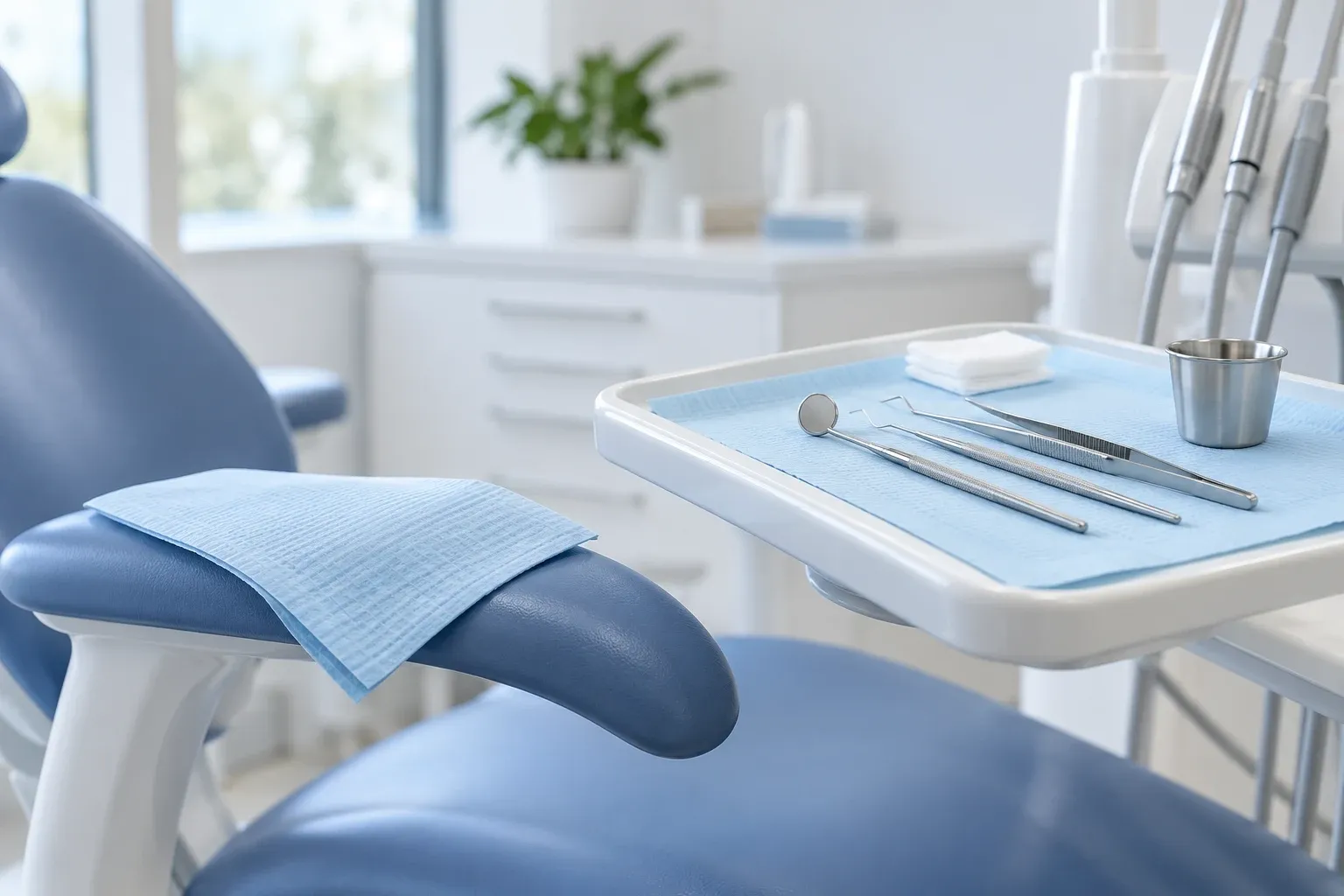
On this page, you will read everything about anesthesia and comfort during dental treatments. We discuss local anesthesia, preparation, aftercare, and more.
View options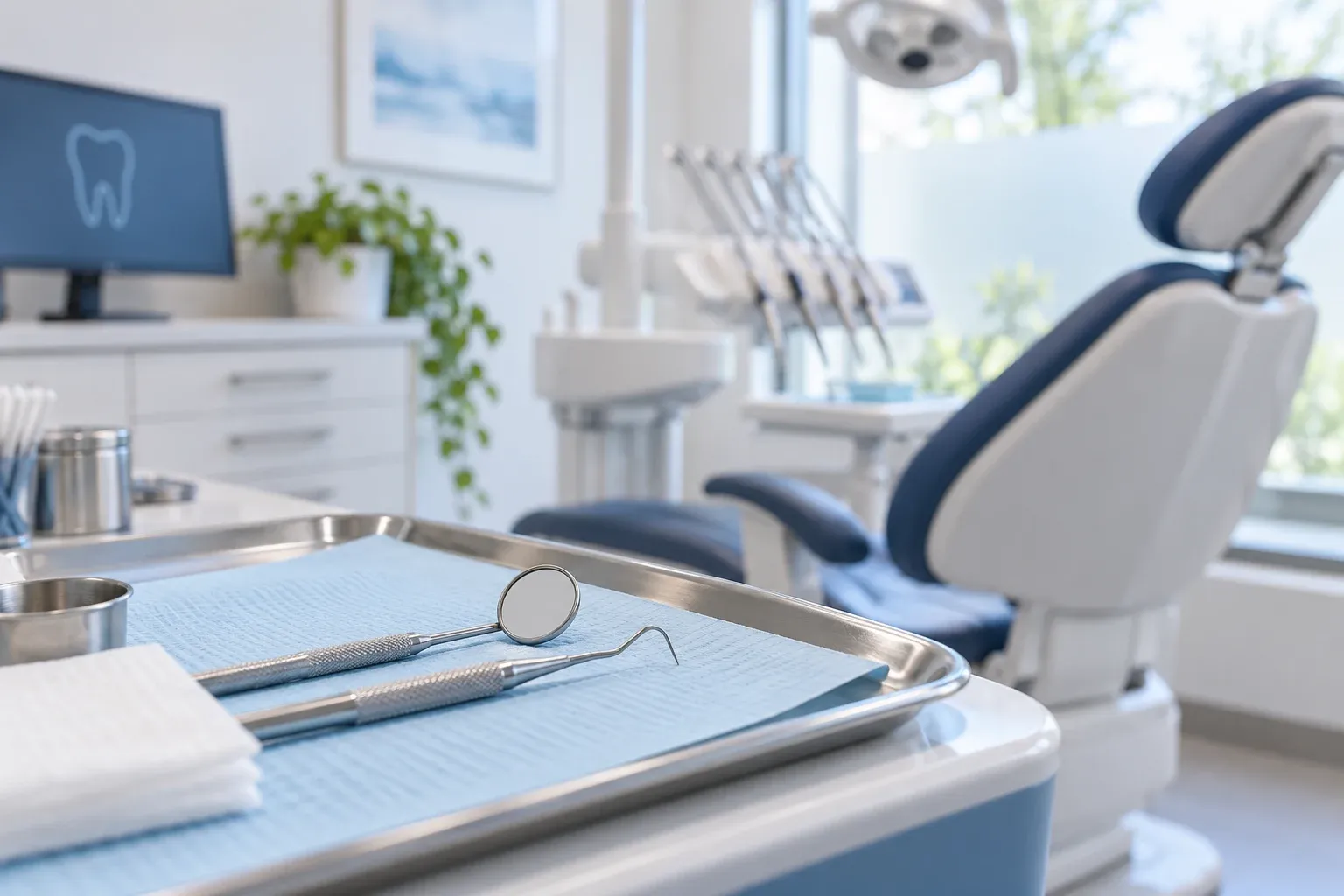
Emergency care for dental complaints requires a telephone assessment. In case of severe symptoms such as shortness of breath or swallowing problems with swelling, immediate help is necessary.
View options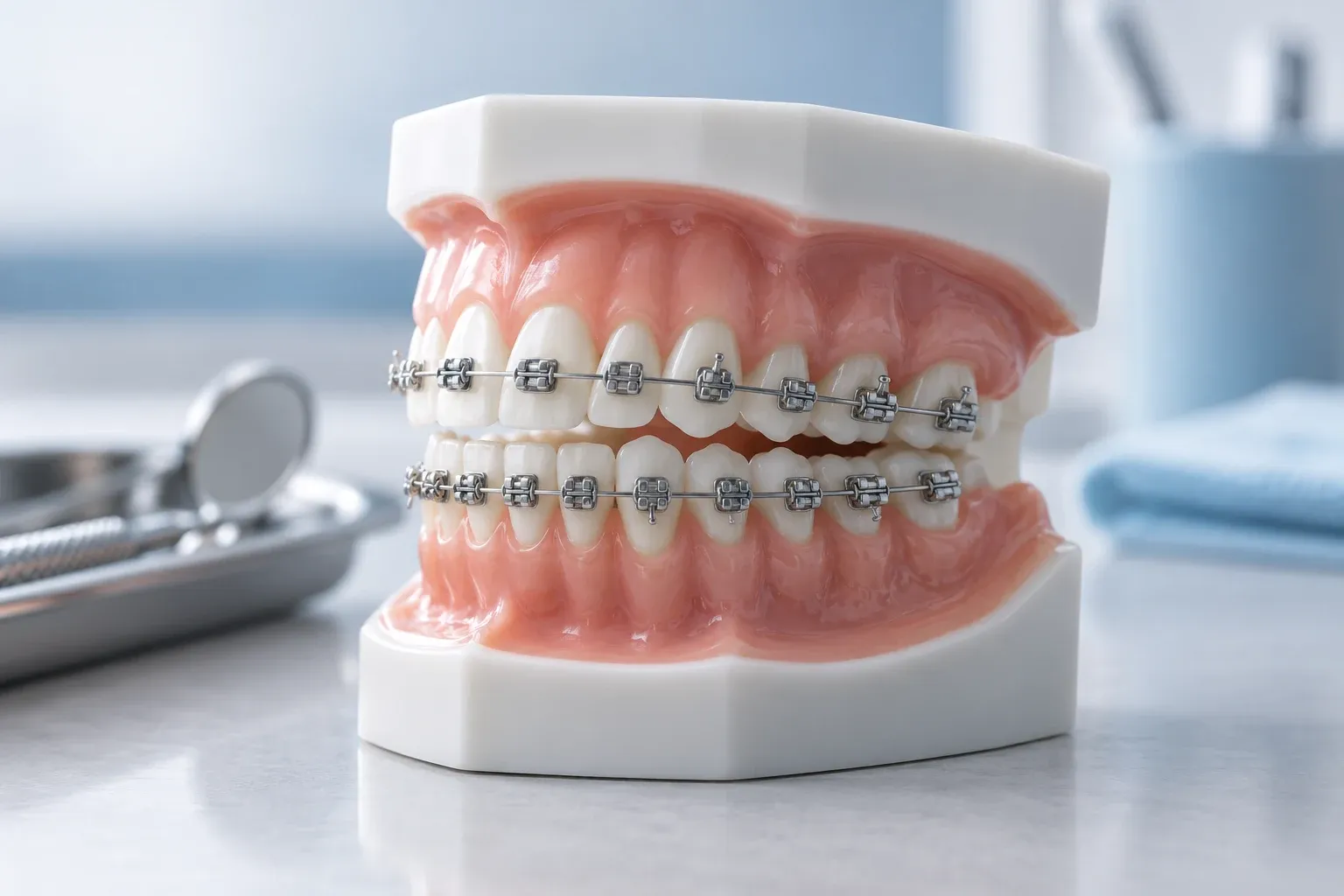
Braces are an effective way to correct the alignment of your teeth and bite. Here you can read more about the examination, the different brace options, maintenance, and retention.
View options