
Your first visit
Are you not yet a patient with us? Read how to register and how the first appointment goes. In your application, you can already explain your questions and wishes.
Information for new patientsRestore your teeth with fillings: an effective solution for cavities and damage.
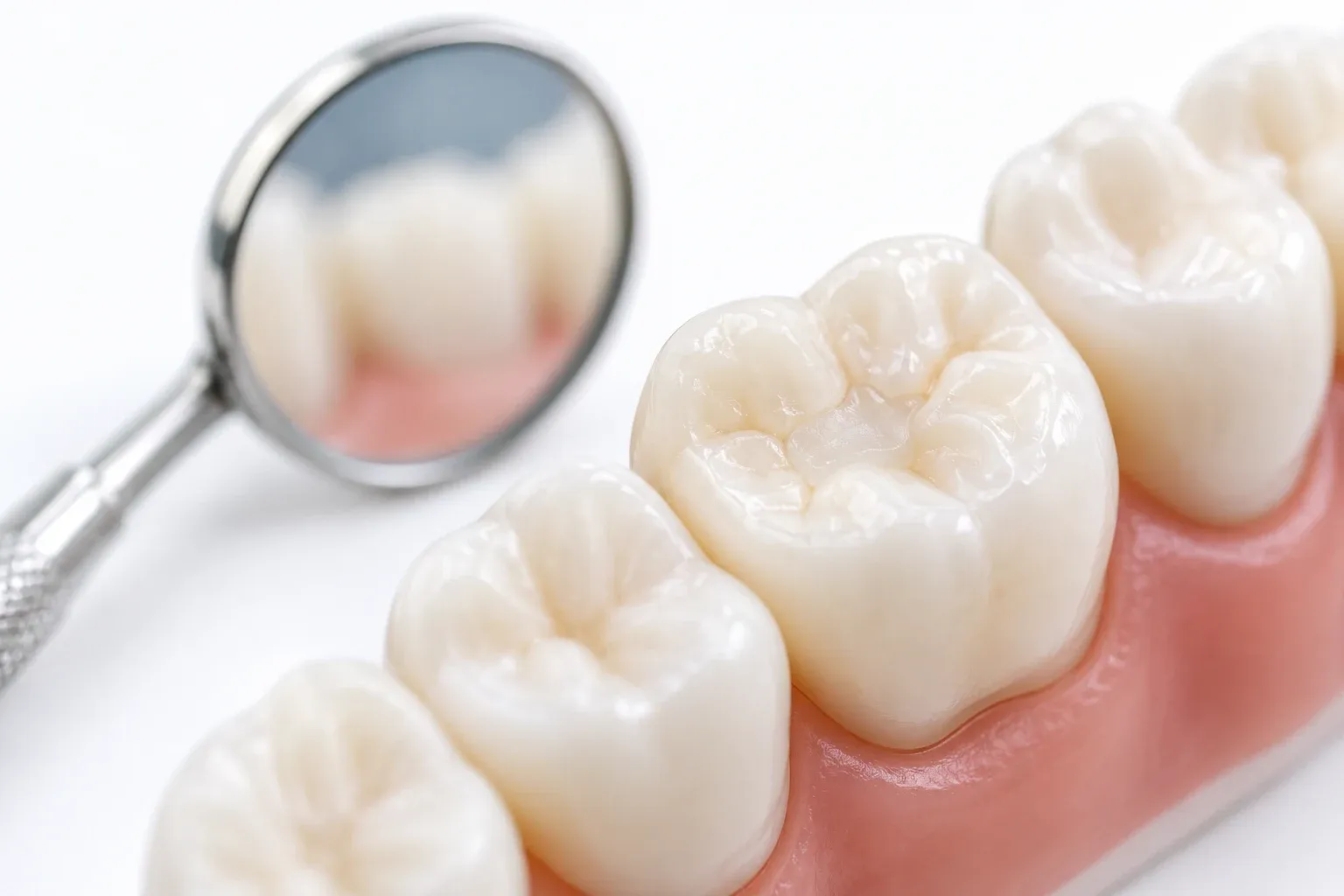
Fillings are a common treatment for restoring cavities and damage to teeth. On this page, you can read more about the various aspects of fillings, from material choice to aftercare.
Fillings are an effective way to restore damage or cavities in your teeth. This process is important to prevent further damage to your teeth and to maintain your oral health. On this page, we discuss the various aspects of fillings, including material choice, the use of anesthesia, and what you can expect during and after the treatment.
When a tooth is damaged or a cavity occurs due to tooth decay, it is essential to have it treated. A filling restores the structure of the tooth and prevents further problems. The process begins with a thorough inspection and possibly X-rays to determine the extent of the damage.
Depending on the severity of the cavity or damage, the dentist may decide to fill the tooth. This can range from a small filling to a more extensive treatment. It is important to make an appointment in a timely manner to prevent complications.
There are various materials available for fillings, each with its own advantages. The most common materials are amalgam, composite, and glass ionomer. Amalgam is durable and often suitable for back teeth, while composite is more aesthetically pleasing and can be used for visible teeth.
The choice of material depends on various factors, such as the location of the filling, the size of the cavity, and your personal preference. Your dentist will advise you on the best option for your situation.
During the treatment, the use of anesthesia may be considered, especially for larger fillings or if you are sensitive to pain. Most dentists offer local anesthesia, so the area around the tooth is temporarily numbed.
It is important to inform your dentist about any previous experiences with anesthesia and your pain level. This helps them make the right choice and ensure that you feel as comfortable as possible during the treatment.
After placing a filling, it may occur that you experience some sensitivity for a while, especially with temperature changes. This is normal and should decrease after a few days. It is important to let your dentist know if the sensitivity persists or worsens.
In some cases, the filling may not fit perfectly, which can also lead to sensitivity. Your dentist can easily correct this. Contact them if you have any doubts about your recovery.
After the treatment, it is important to maintain good oral hygiene. Brush your teeth at least twice a day and use dental floss to keep the spaces between your teeth clean. This helps prevent future cavities.
If you have questions after the treatment or if problems arise, do not hesitate to contact your dentist again. It is important to discuss any concerns in a timely manner.
Your dentist examines your teeth and determines the need for a filling. This may also involve taking X-rays.
Together with your dentist, you choose the most suitable material for the filling, depending on the location and size of the cavity.
The dentist places the filling, often with local anesthesia to minimize discomfort. The treatment usually does not take long.
After the treatment, you will receive instructions for aftercare and maintaining good oral hygiene to prevent future problems.
Schedule a follow-up appointment for a check-up and to discuss how your teeth are developing after the treatment.
The treatment for a filling usually takes between 20 and 60 minutes, depending on the size and location of the cavity. Your dentist can provide you with more information about this.
Most patients experience little to no pain during the placement of a filling, especially if local anesthesia is used. Some sensitivity may occur after the treatment.
The lifespan of a filling depends on the material used and your oral hygiene. Amalgam fillings can last 10-15 years, while composite fillings usually last 5-10 years.
It is advisable to wait a few hours before eating after a filling is placed, especially if anesthesia has been used. This prevents biting your numb tongue or lip.
If you experience persistent sensitivity after the treatment, contact your dentist. This may indicate a problem with the filling or the tooth itself.
Are you not yet a patient with us? Read how to register and how the first appointment goes. In your application, you can already explain your questions and wishes.
Information for new patientsAre you apprehensive about an appointment? Tell us what you are worried about. Read more about our guidance and discuss what explanation or support you would find helpful.
Dealing with fear of the dentistAsk what treatment is being proposed and what costs are associated with it. Do you have questions about payment? Check the information about payment options or contact us.
Payment and payment optionsRequest an appointment, and we will see together what is needed.

Root canal treatment with magnification helps save teeth. Here you can read about preparation, process, aftercare, and costs.
View options
Crowns and bridges help restore damaged teeth and molars. This page provides you with insight into the differences, preparation, maintenance, and alternatives.
View options
Sealants help to shield grooves in molars and thus prevent cavities. Read more about the indications, the process, and aftercare.
View options