
Your first visit
Are you not yet a patient with us? Read how to register and how the first appointment goes. In your application, you can already explain your questions and wishes.
Information for new patientsCustom crowns provide a durable solution for damaged teeth and molars. Learn more about the process and the care involved.
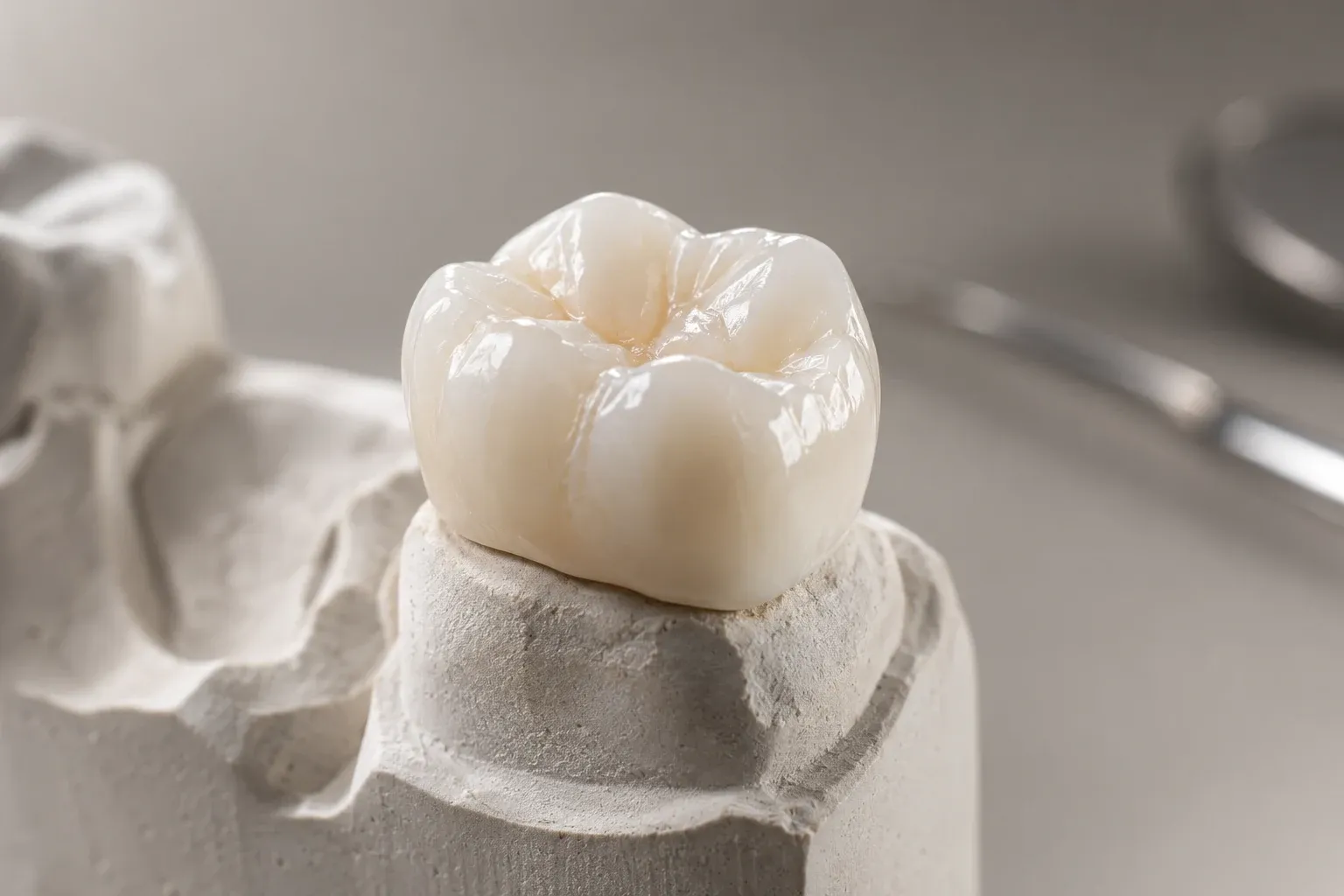
Custom crowns are an effective solution for damaged teeth. In this page, we discuss the function, preparation, placement, and aftercare of crowns, as well as the costs.
Custom crowns are designed to restore damaged or weakened teeth and molars. They provide support, improve function, and ensure that your dentition looks aesthetically pleasing. A crown can be an excellent solution in situations where a tooth can no longer be restored with a filling. It is important to understand that the choice of a crown depends on the specific situation of your dentition.
The primary function of a crown is to restore the functionality of a damaged tooth or molar. A crown protects the tooth and prevents further damage. Additionally, the shape and color of the crown play an important role in aesthetics. Modern crowns can be made from various materials, such as porcelain or ceramic, which closely match the natural color of your teeth.
When choosing the shape and color, your personal preferences and the situation of your dentition are taken into account. A good crown should not only be functional but also look beautiful. Your practitioner will discuss the best options with you to ensure that the crown fits perfectly with your dentition and your wishes.
Before a crown can be placed, thorough preparation is necessary. This often begins with a comprehensive examination of your teeth, during which any dental issues are identified. Next, the tooth that will support the crown is prepared. This may involve removing part of the tooth to create space for the crown.
Depending on the situation, it may be necessary to place a temporary crown while the final crown is being made. This temporary crown protects the tooth and ensures that you can function normally until the permanent crown is ready. It is important to follow your provider's instructions to avoid complications.
The placement of the crown occurs in several steps. After the final crown has been made, it is carefully positioned on the prepared tooth. It is essential that the crown fits well and is securely attached. Your provider will check that the crown aligns properly and that your bite is correct.
After placement, you may need some time to get used to the new crown. It may also take a while before you are fully accustomed to the new bite. Be sure to report any discomfort to your provider so that they can assess whether adjustments are needed.
Good oral care is crucial for the longevity of your crown and the health of your teeth. It is important to brush and floss regularly, especially around the edges of the crown. This helps to prevent plaque and tartar buildup, which can lead to gum inflammation or other issues.
Additionally, it is advisable to have your teeth checked regularly by your provider. This ensures that any problems are detected and addressed in a timely manner. Following good oral hygiene can significantly extend the lifespan of your crown.
The costs of a crown can vary depending on various factors, such as the type of material used and the complexity of the treatment. It is important to discuss with your provider what the expected costs are and whether they may be covered by your health insurance.
Please note that in addition to the costs for the crown itself, there may also be costs for the preparatory treatments. Good communication with your provider about the costs helps to avoid surprises and ensures that you are well-prepared.
During the first consultation, your teeth will be thoroughly examined to determine if a crown is the right solution.
The tooth that will support the crown is prepared by removing part of the dental tissue.
If necessary, a temporary crown will be placed to protect the tooth while the permanent crown is being made.
When the permanent crown is ready, it will be carefully placed and checked for fit and bite.
After placement, good oral care is essential, and regular check-ups with your practitioner are recommended.
Crowns provide support to damaged teeth, improve functionality and aesthetics, and can extend the lifespan of a tooth.
The lifespan of a crown depends on various factors, such as the materials used and oral hygiene. With good care, a crown can last many years.
The treatment itself is usually not painful, as anesthesia is applied. After the treatment, you may experience some sensitivity, but this is normal.
It is wise to be cautious with hard or sticky foods for a while. Your provider will give you specific instructions on what you can eat.
Regular brushing and flossing are essential. Avoid hard foods and schedule regular check-ups to ensure the health of your crown.
Are you not yet a patient with us? Read how to register and how the first appointment goes. In your application, you can already explain your questions and wishes.
Information for new patientsAre you apprehensive about an appointment? Tell us what you are worried about. Read more about our guidance and discuss what explanation or support you would find helpful.
Dealing with fear of the dentistAsk what treatment is being proposed and what costs are associated with it. Do you have questions about payment? Check the information about payment options or contact us.
Payment and payment optionsRequest an appointment, and we will see together what is needed.
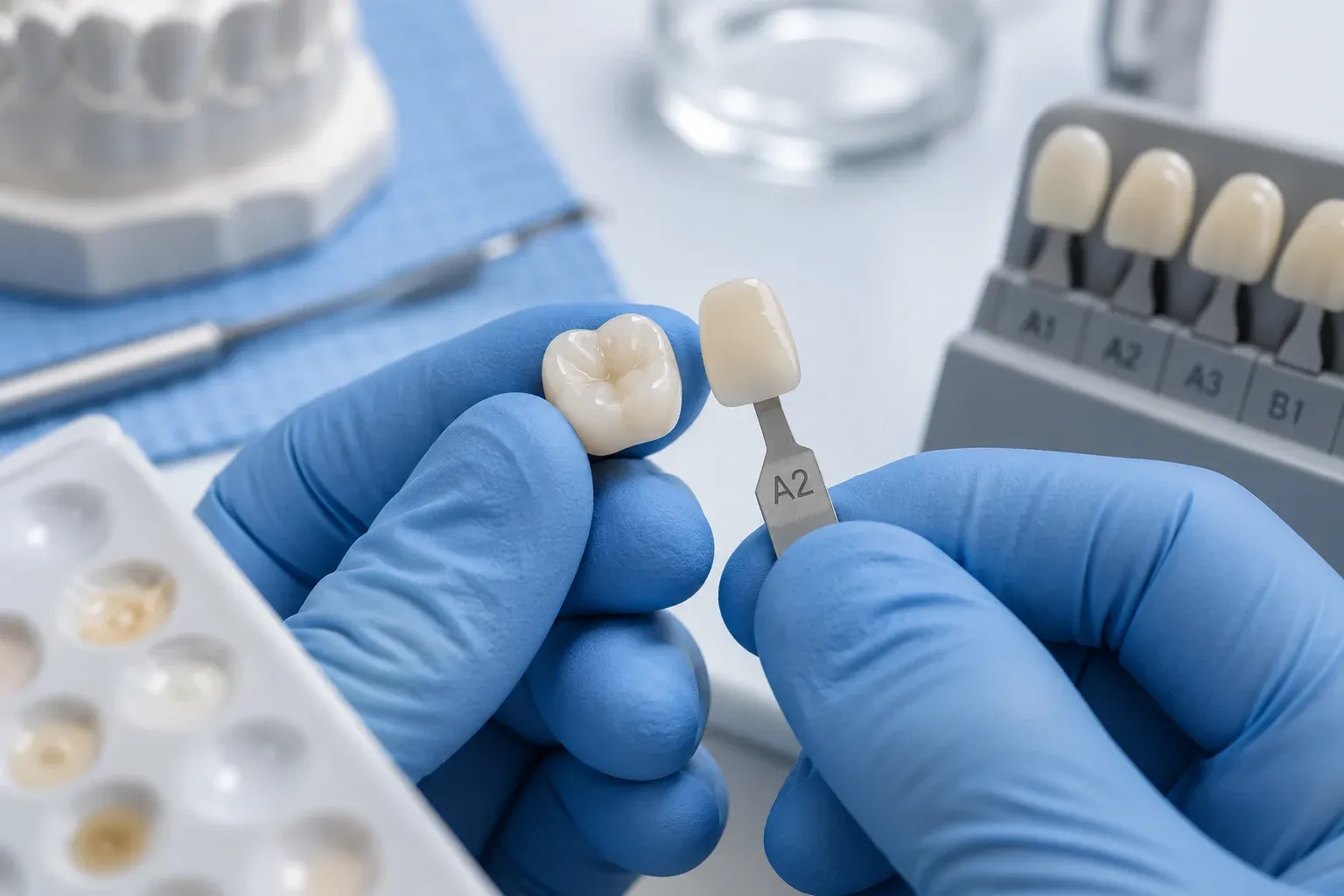
Aesthetic fillings are an effective way to restore damaged teeth. They are not only functional but also visually appealing. In this information page, we discuss the options, preparation, aftercare, and costs of aesthetic fillings.
View options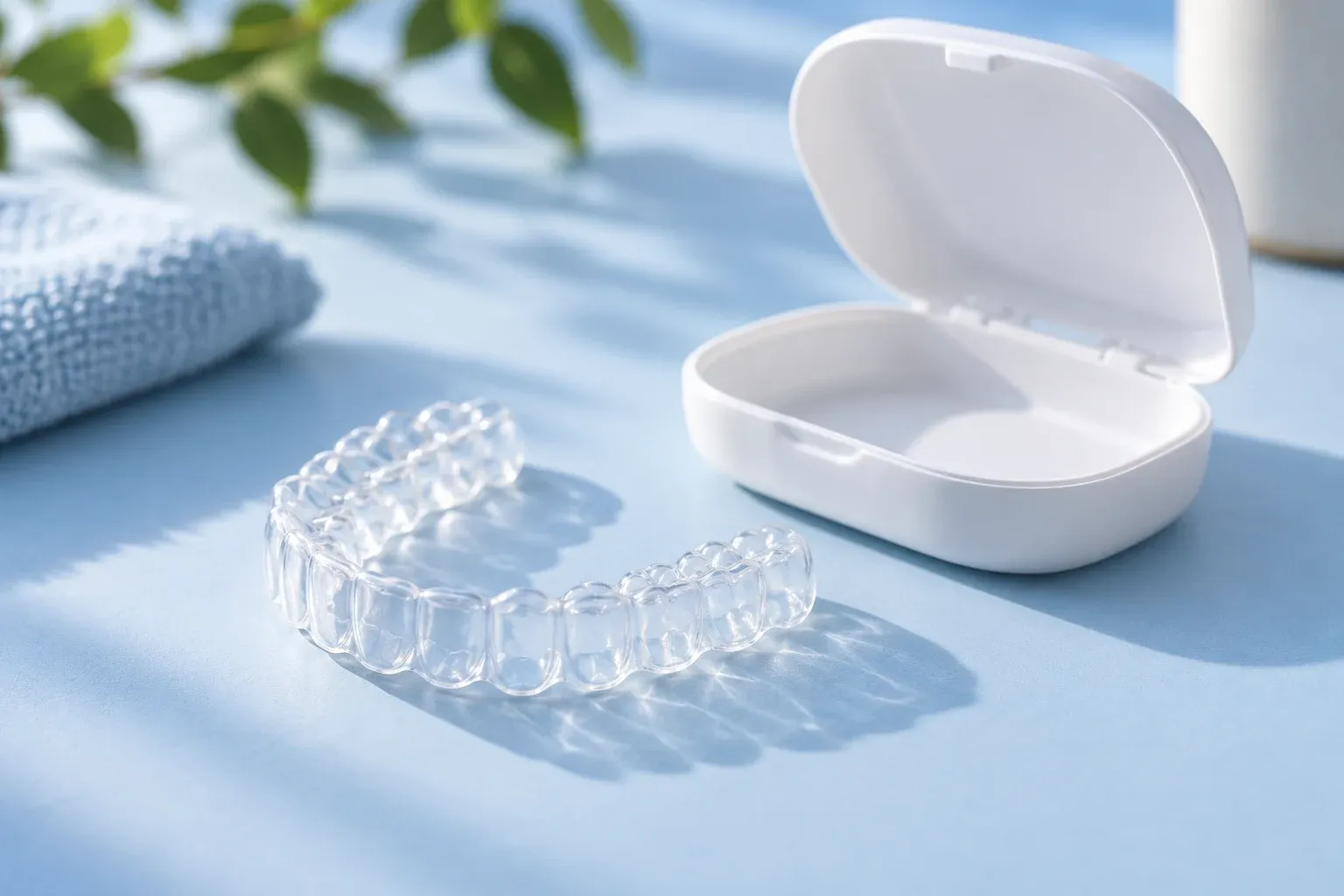
Teeth whitening can help with discoloration. Here you can read about the causes, suitability, the process, aftercare, and costs.
View options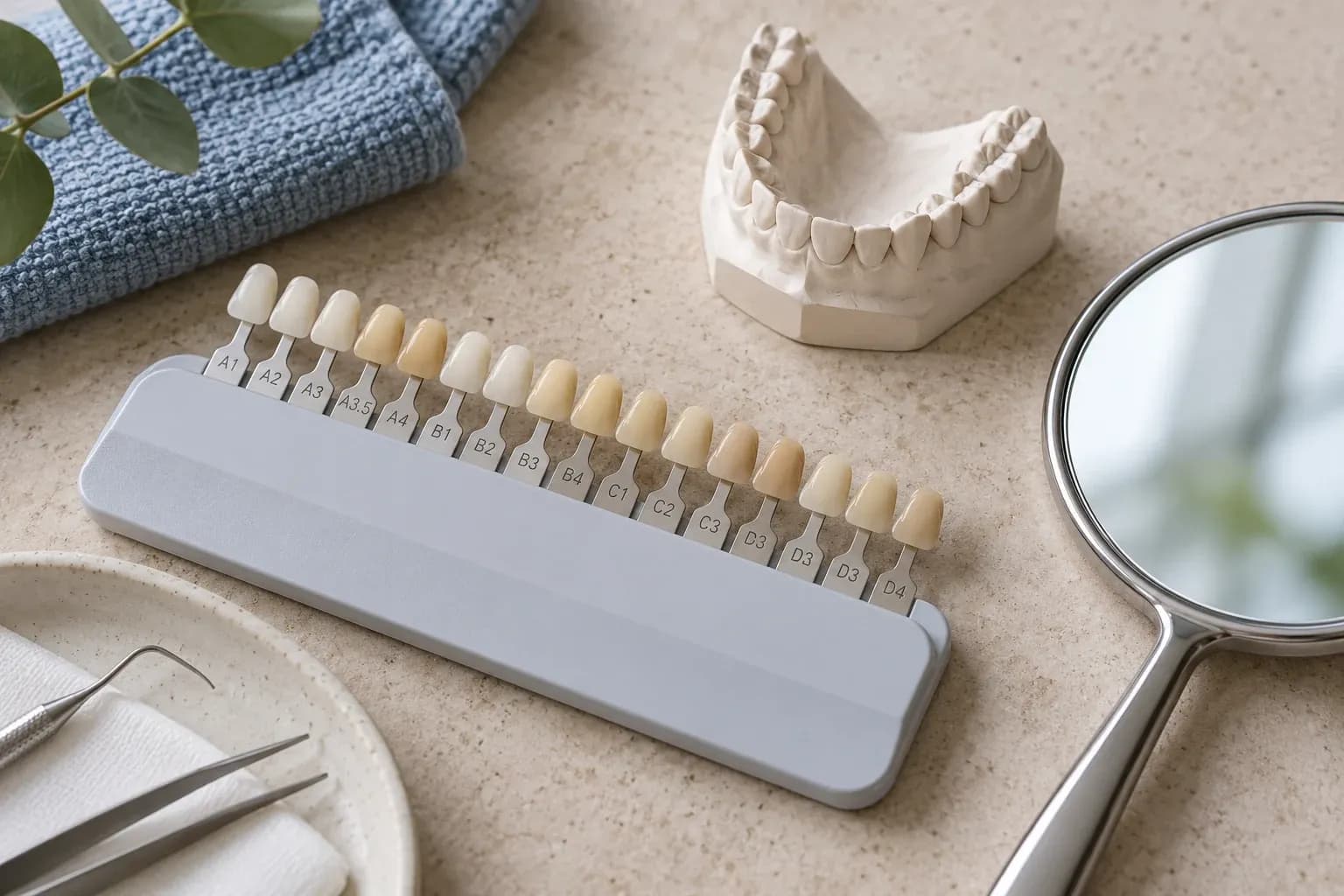
Cosmetic dentistry focuses on improving your smile. We discuss wishes, realistic expectations, alternatives, and the importance of good maintenance.
View options