
Your first visit
Are you not yet a patient with us? Read how to register and how the first appointment goes. In your application, you can already explain your questions and wishes.
Information for new patientsX-rays are an essential part of dental diagnostics. They help determine the health of your teeth and plan treatments.
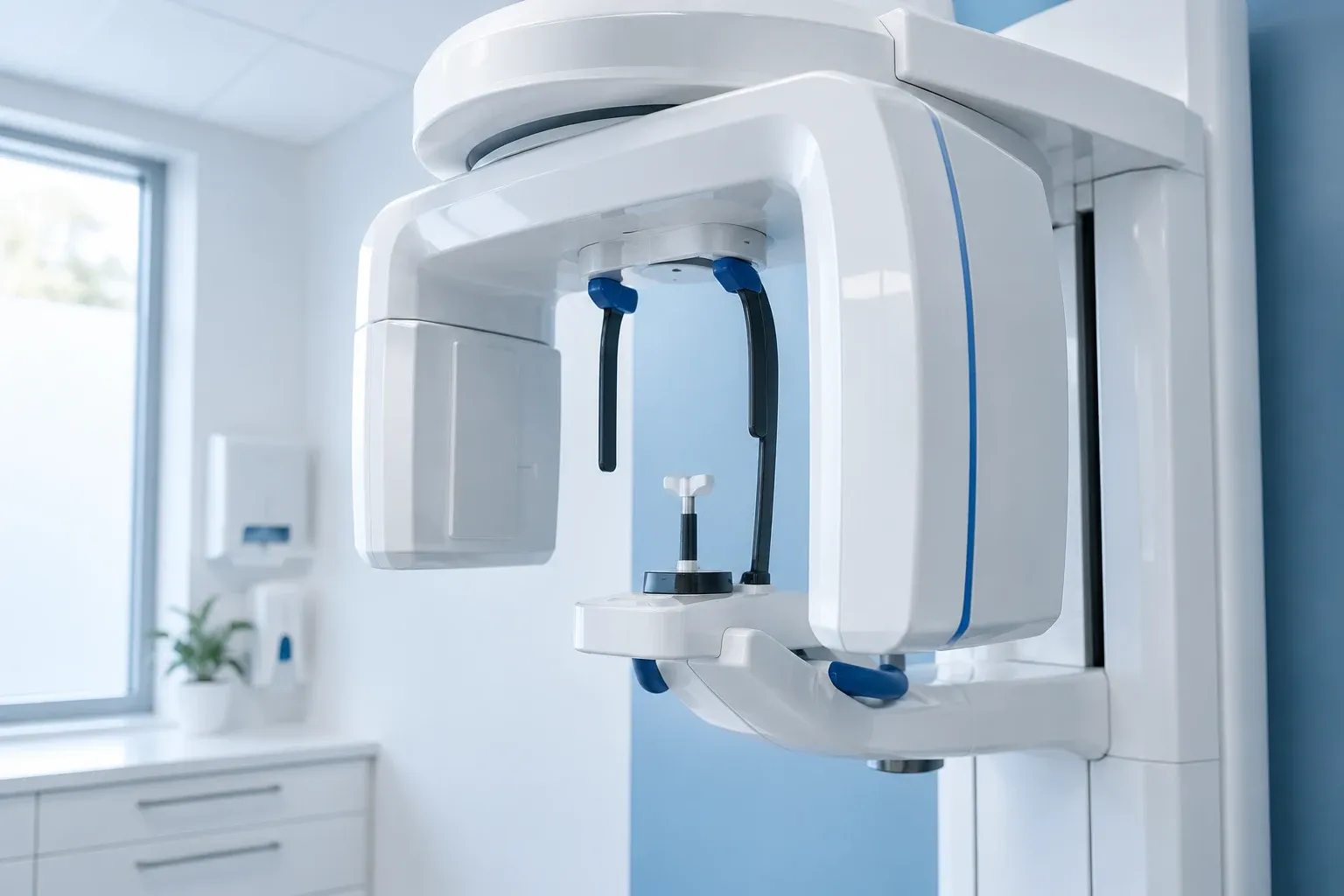
X-rays are crucial for a good diagnosis and treatment in dentistry. Learn more about the necessity, preparation, and aftercare of X-rays.
X-rays are an important tool in dentistry. They provide additional diagnostics that go beyond what is visible to the naked eye. By taking X-rays, dentists can detect issues such as cavities, root infections, and jaw problems early. This enables them to determine a targeted treatment strategy and ensure the health of your teeth.
X-rays help obtain a complete picture of your oral health. They can assist in identifying hidden cavities, assessing the position of teeth and molars, and monitoring jaw development. This is especially important in children, where growth and development must be closely monitored.
The use of X-rays is not limited to diagnosis. They are also useful in planning treatments, such as orthodontics or implantology. By comparing previous images with new ones, the dentist can track changes in the dental structure and make decisions that best suit your situation.
When taking X-rays, a balance is always struck between the necessity of the image and exposure to radiation. Dentists are trained to minimize radiation and only use X-rays when truly necessary. This ensures that the benefits outweigh the risks.
It is important to know that modern X-ray techniques require a significantly lower radiation dose than in the past. Dentists follow guidelines to ensure that radiation remains as low as possible while still obtaining the necessary information for a proper diagnosis.
If you have had X-rays taken before, it is helpful to bring these to your appointment. The dentist can compare these images with new ones to assess changes in your teeth. This can provide valuable insights into the progress of your oral health.
Discuss with your dentist when you had previous X-rays taken and where they were done. This helps the dentist to get a complete picture of your situation and to determine a targeted approach.
It is important to inform your dentist if you are pregnant or think you might be pregnant. Although there is no absolute prohibition on taking X-rays during pregnancy, extra precautions are taken. Your dentist can assess the necessity of the X-rays with you and consider alternative diagnostic methods.
Your health and that of your unborn child are a priority. Therefore, it is important to be open and honest about your situation so that your dentist can provide the best possible care.
You usually do not need to prepare specifically for taking X-rays. It is helpful to bring any previous X-rays and to inform your dentist about your medical history, such as allergies or medication use. This helps the dentist make the right choices.
During the X-ray process, you will be asked to sit or stand in a certain position. You will receive a protective apron to shield your body from radiation. The process is quick and usually takes only a few minutes.
After taking the X-rays, no special aftercare is usually needed. You can simply resume your daily activities. The dentist will analyze the images and discuss them with you during your next appointment. This is the time to express any questions or concerns.
Regarding the costs of X-rays, these can vary depending on the type of image taken and the practice. It is advisable to inquire about the costs and any reimbursements through your health insurer in advance.
You will be asked to sit or stand in a certain position and will receive a protective apron.
The dentist analyzes the X-rays and discusses the findings with you.
During your next appointment, the results will be discussed and any treatments planned.
X-rays are essential for detecting problems that are not visible to the naked eye, such as cavities or root infections. They help dentists make an accurate diagnosis.
Yes, modern X-ray techniques ensure a low radiation dose. Dentists only take X-rays when necessary and follow guidelines to minimize radiation exposure.
Inform your dentist if you are pregnant or think you might be pregnant. The dentist can assess the necessity of X-rays and consider alternative diagnostic methods.
The costs for X-rays can vary. It is wise to inquire about prices and reimbursements with your health insurer in advance.
After taking the X-rays, there are usually no special aftercare measures needed. The dentist will discuss the results during your next appointment.
Are you not yet a patient with us? Read how to register and how the first appointment goes. In your application, you can already explain your questions and wishes.
Information for new patientsAre you apprehensive about an appointment? Tell us what you are worried about. Read more about our guidance and discuss what explanation or support you would find helpful.
Dealing with fear of the dentistAsk what treatment is being proposed and what costs are associated with it. Do you have questions about payment? Check the information about payment options or contact us.
Payment and payment optionsRequest an appointment, and we will see together what is needed.
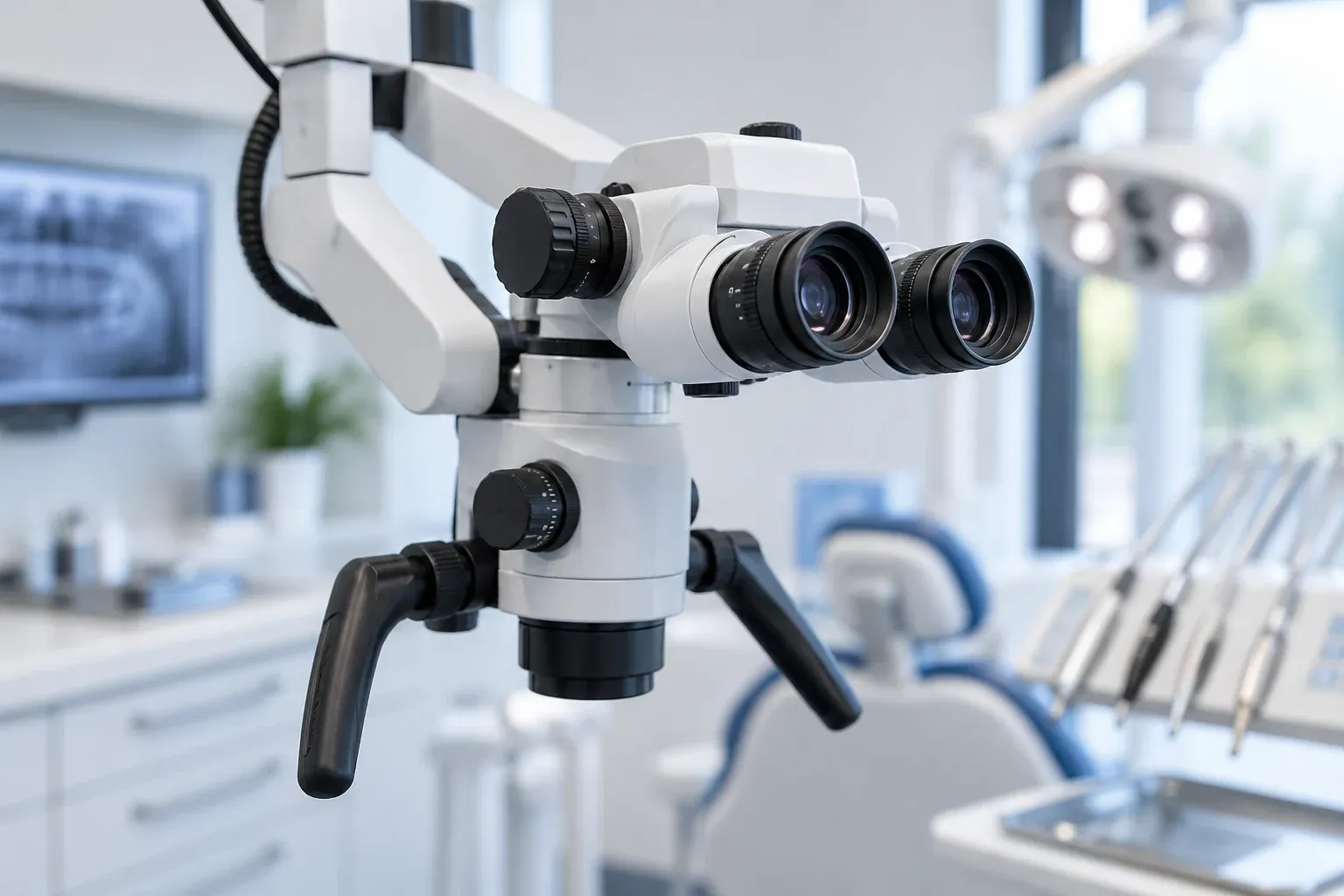
Root canal treatment with magnification helps save teeth. Here you can read about preparation, process, aftercare, and costs.
View options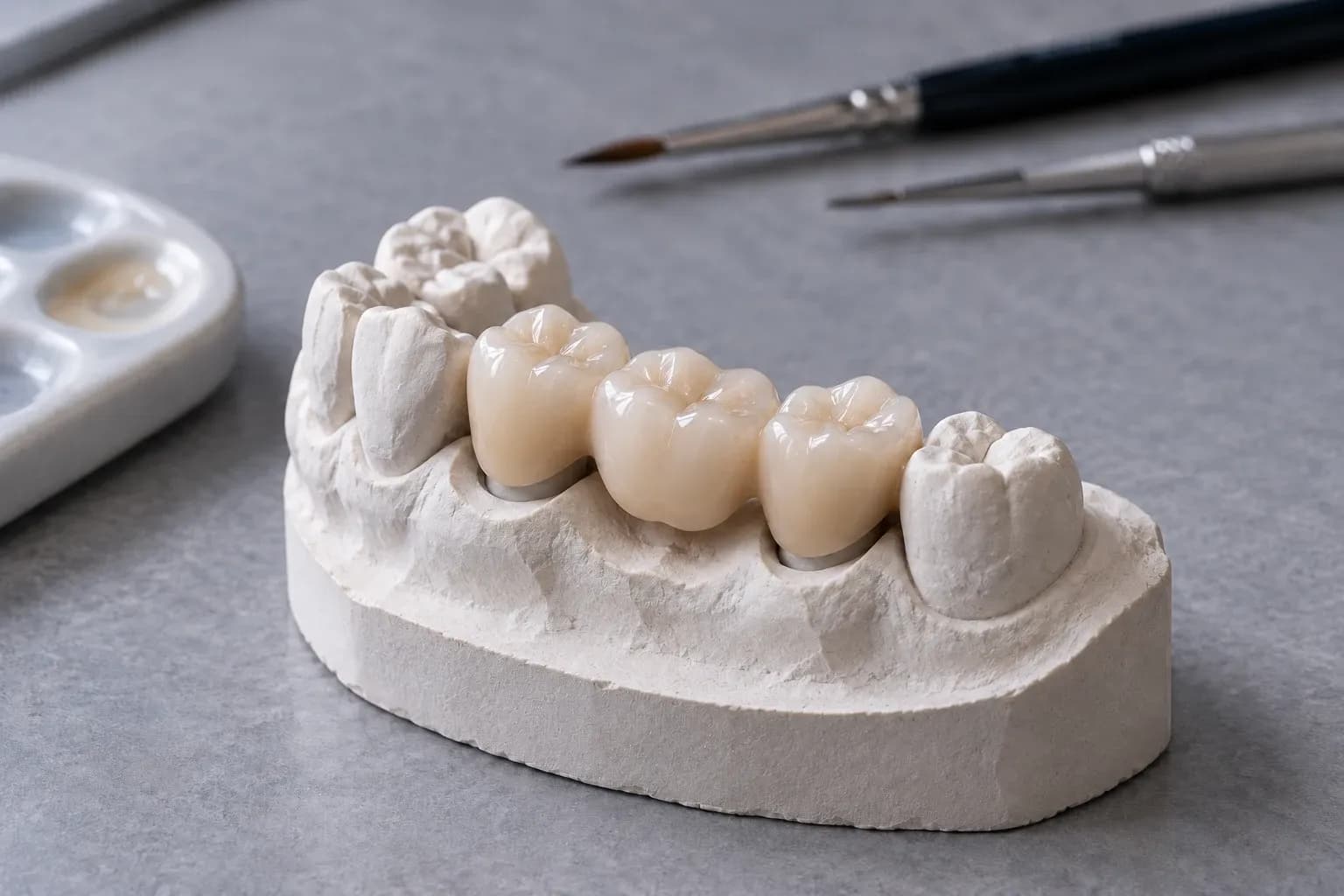
Crowns and bridges help restore damaged teeth and molars. This page provides you with insight into the differences, preparation, maintenance, and alternatives.
View options
Sealants help to shield grooves in molars and thus prevent cavities. Read more about the indications, the process, and aftercare.
View options