
Your first visit
Are you not yet a patient with us? Read how to register and how the first appointment goes. In your application, you can already explain your questions and wishes.
Information for new patientsDental wear can cause discomfort and pain. It is important to have this examined in a timely manner.
If you notice that your teeth are becoming more sensitive, this may be a sign of wear. This could be a reason to contact the dentist quickly.
When you notice wear or a change in the shape of your teeth, it is wise to have this checked. This can prevent further problems.
Do you experience pain or discomfort while chewing? This may indicate tooth wear and deserves attention.
If you often chew on hard objects, this can cause wear. This may be a reason to have your teeth checked.
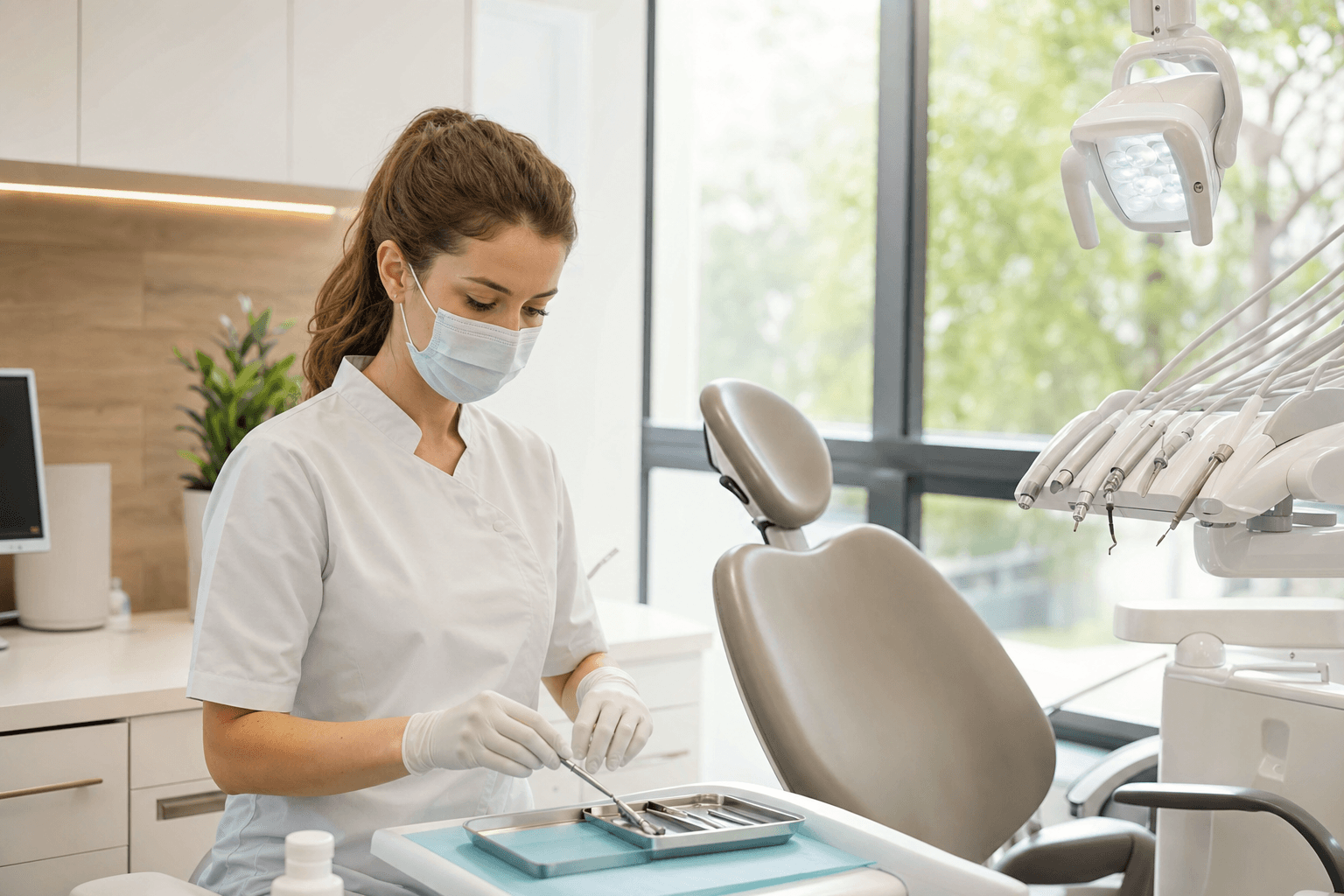
Tooth wear refers to the loss of tooth structure, which can lead to thinning teeth or sensitive areas. You may experience this as pain or discomfort when chewing, especially with certain foods.
It is important to pay attention to tooth wear, as it can lead to further damage and discomfort. An examination by the dentist can help map the extent of the wear and discuss possible treatments.
There are some steps you can take to protect your teeth.
Teeth grinding can lead to excessive wear of the dentition. This often happens unconsciously, especially during sleep.
Foods and drinks with a high acidity can damage the enamel of the teeth. This can contribute to wear over the long term.
Incorrect chewing habits or using teeth as tools can also cause wear. This leads to uneven pressure on certain teeth.
During a check-up, the dentist can determine the degree of wear. This helps in determining the right approach.
Depending on the cause, preventive measures may be discussed. This can help to prevent further wear.
If you are experiencing sensitive teeth, the dentist may suggest treatment options. This can improve your comfort.
In some cases, a restorative treatment may be necessary. This helps to restore the function and aesthetics of your teeth.
The costs for treatments are determined according to the NZa rates. Our practice will provide you with a budget in advance so you know what to expect.
A check-up includes examining your teeth and discussing any wear.
Treatments such as filling materials or crowns are also costs you can expect.
You may notice signs of wear, such as sensitive teeth or changes in tooth structure. A check-up with the dentist can provide clarity.
It is important to maintain good oral hygiene and avoid risky habits. A dentist can provide specific advice.
Although wear can occur at any age, the likelihood of tooth wear may increase as one gets older. This is due to natural wear and other factors.
Treatments can vary from prevention to restorations, depending on the extent of wear. A dentist can inform you about this.
Sensitive teeth can be a sign of wear. It is wise to discuss this with your dentist.
Are you not yet a patient with us? Read how to register and how the first appointment goes. In your application, you can already explain your questions and wishes.
Information for new patientsAre you apprehensive about an appointment? Tell us what you are worried about. Read more about our guidance and discuss what explanation or support you would find helpful.
Dealing with fear of the dentistAsk what treatment is being proposed and what costs are associated with it. Do you have questions about payment? Check the information about payment options or contact us.
Payment and payment optionsCall us during opening hours, and we will see what is possible right away.
Cavities can cause pain when eating.
Read moreA broken tooth can cause discomfort when eating.
Read moreTeeth grinding can lead to jaw pain and wear.
Read moreTooth erosion can cause discomfort when eating or drinking.
Read moreA dead tooth can become darker and lose sensation.
Read moreA sharp pain in a tooth may indicate a problem that requires attention.
Read more