
Your first visit
Are you not yet a patient with us? Read how to register and how the first appointment goes. In your application, you can already explain your questions and wishes.
Information for new patientsA fixed bridge on implants offers a durable solution for replacing multiple teeth. Discover the possibilities and care for your dentition.
This page provides general information, not confirmation that this treatment is performed in our practices. Ask your practitioner about the possibilities and any referrals.
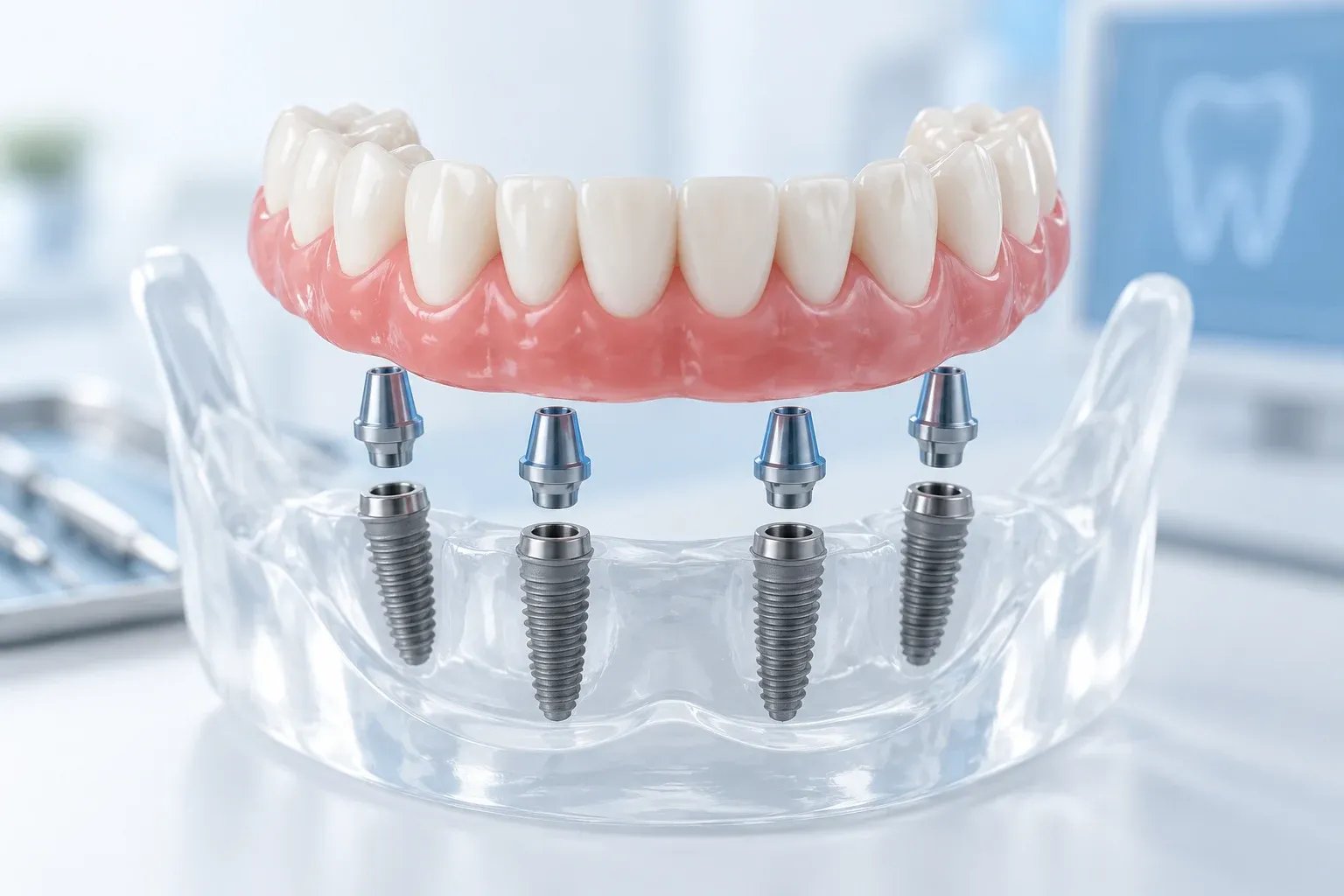
Fixed bridges on implants are an effective solution for replacing teeth. Learn more about suitability, alternatives, and the maintenance of your dentition.
A fixed bridge on implants can be an excellent solution for people who are missing multiple teeth. This bridge is securely anchored to implants, providing a stable and durable foundation. It not only offers aesthetic benefits but also functional advantages, as you can chew and speak normally again. However, this type of treatment requires careful planning and individual assessment to determine if it is suitable for you.
A complete dental arch on implants involves placing one or more implants in the jaw to support a bridge that replaces multiple teeth. This provides a fixed solution that resembles natural teeth. The implants act as artificial roots and provide stability to the bridge. This concept can be particularly beneficial for people who do not have options for a removable prosthesis.
The number of implants needed depends on the specific situation of the patient. In some cases, only a few implants are needed to support a complete bridge, while in other cases, more implants may be required. It is important to discuss with your treating dentist what is best for you, based on your oral health and jaw structure.
Not everyone is eligible for a fixed bridge on implants. Factors such as the health of your gums, the amount of bone tissue, and your overall health play an important role. A thorough assessment by your dentist is essential to determine if this treatment is suitable for you. Sometimes additional treatment may be necessary to optimize oral health.
Additionally, there are situations where patients cannot immediately opt for a fixed bridge. In some cases, a temporary solution or other treatments, such as a removable prosthesis, may be more suitable. This may be especially true if healing or adjustment is still needed for the implants.
The preparation for the placement of a fixed bridge on implants begins with a comprehensive preliminary examination. This includes X-rays and possibly scans of your jaw to create an accurate treatment plan. Your dentist will also discuss your expectations and any concerns. It is important to be well-informed about the process and aftercare.
During the treatment, the implants are placed in the jaw. This usually occurs under local anesthesia. After placement, the implant needs time to integrate with the bone, which can take several months. Once the implants have healed properly, the bridge can be placed. This process requires precise alignment and follow-up to achieve an optimal result.
Aftercare following the placement of a fixed bridge on implants is crucial for the maintenance of your new dentition. Regular check-ups with your dentist are essential to ensure the health of your implants and gums. You may receive specific instructions for oral hygiene and maintenance to prevent complications.
Maintaining your fixed bridge is similar to caring for natural teeth. Daily brushing and flossing are important to prevent plaque and tartar. Additionally, periodic professional cleanings can help keep your dentition in optimal condition. Good maintenance extends the lifespan of your implants and bridge.
The costs for a fixed bridge on implants can vary, depending on various factors such as the number of implants needed, the complexity of the treatment, and the materials used. It is advisable to discuss a cost overview with your dentist in advance, so you have a clear picture of the financial aspects.
Reimbursements for implants and bridges may depend on your health insurance. It is important to check your policy and discuss which costs are covered. Your dentist may also assist you in navigating the financial side of the treatment.
Your dentist will conduct a comprehensive preliminary examination to determine your suitability for implants.
The implants are placed in the jaw under local anesthesia, which is a crucial step for a fixed bridge.
After placement, the implant needs time to integrate with the bone, which can take several months.
Once the implants have healed, the bridge is placed on the implants, providing a stable and aesthetic solution.
Regular check-ups and good oral care are essential to keep your new dentition in optimal condition.
The time between the placement of the implants and receiving the fixed bridge can vary. The healing process usually takes several months, depending on your individual situation and how well your body accepts the implants.
The treatment itself is performed under local anesthesia, so you will experience little to no pain. After the procedure, you may feel some discomfort, but this is usually manageable with painkillers.
Maintaining your fixed bridge involves daily brushing and flossing, just like with natural teeth. Regular check-ups with your dentist are also important to ensure the health of your implants and gums.
Alternatives to a fixed bridge on implants include removable dentures or a traditional bridge that is attached to adjacent teeth. Your dentist can advise you on the best option for your situation.
As with any medical procedure, there are risks associated with placing implants, such as infection or insufficient healing. Your dentist will discuss these risks with you and help you make an informed decision.
Are you not yet a patient with us? Read how to register and how the first appointment goes. In your application, you can already explain your questions and wishes.
Information for new patientsAre you apprehensive about an appointment? Tell us what you are worried about. Read more about our guidance and discuss what explanation or support you would find helpful.
Dealing with fear of the dentistAsk what treatment is being proposed and what costs are associated with it. Do you have questions about payment? Check the information about payment options or contact us.
Payment and payment optionsDiscuss your question and what follow-up step or referral may be appropriate.

In treatments on referral, collaboration plays a crucial role. On this page, we discuss the steps from referral to aftercare.
View options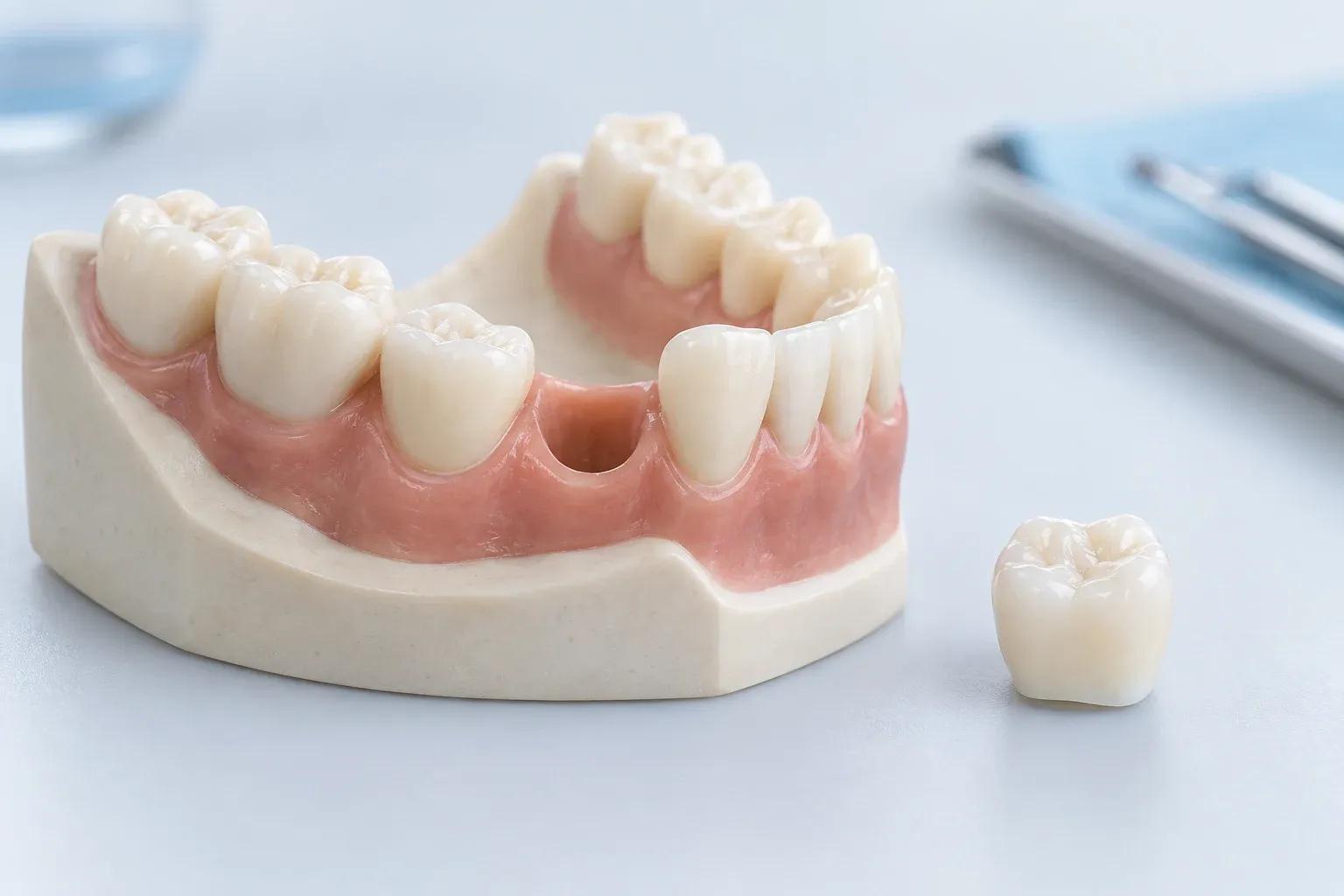
Tooth loss can have various causes. Implants offer a durable solution. This article discusses the assessment of causes, timing, alternatives, and aftercare.
View options