
Your first visit
Are you not yet a patient with us? Read how to register and how the first appointment goes. In your application, you can already explain your questions and wishes.
Information for new patientsDental implants offer a durable solution for missing teeth. Discover here what the treatment entails and what you need to consider.
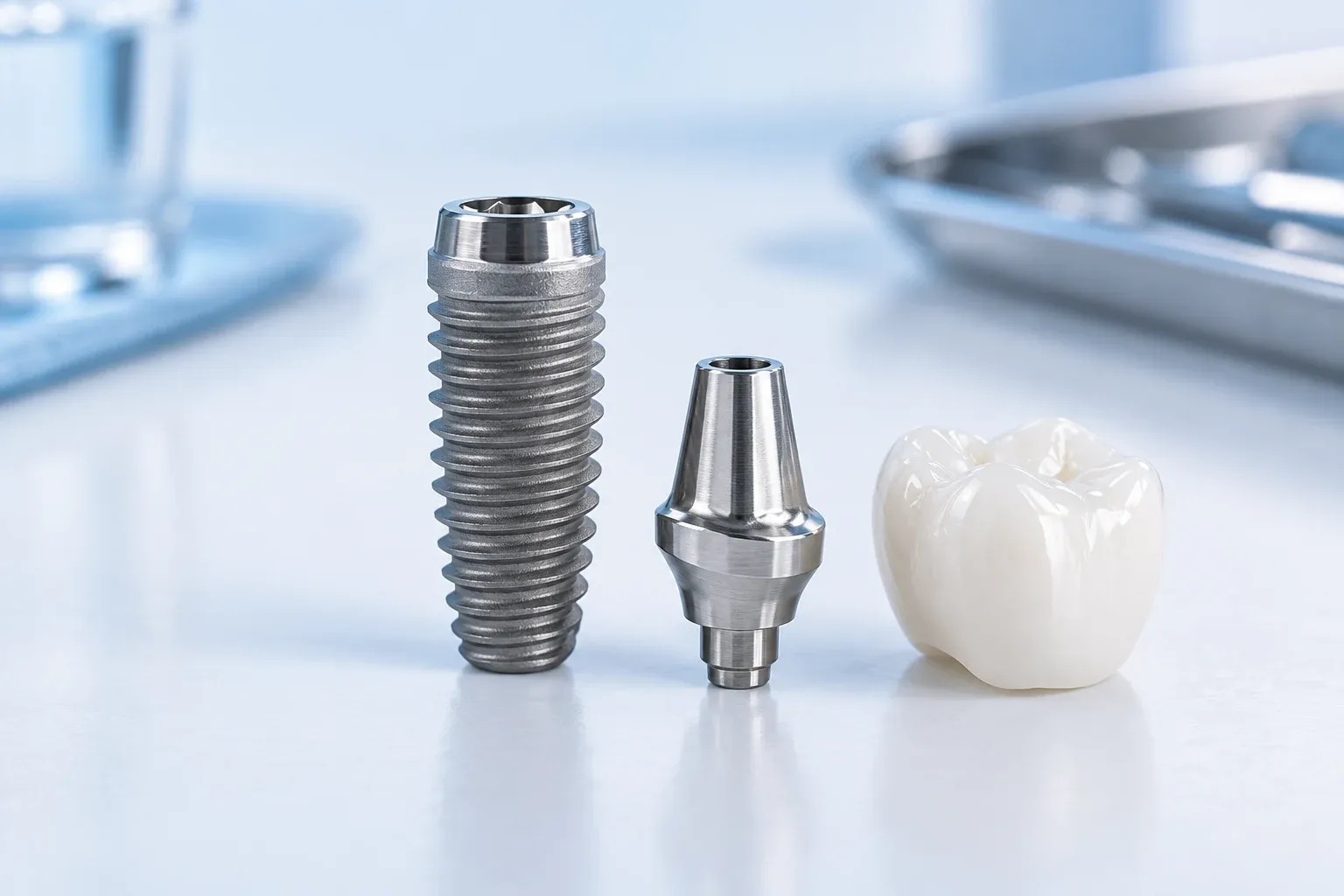
Dental implants replace missing teeth with an artificial root and crown. This page provides insight into the treatment, risks, and aftercare.
Dental implants are a popular solution for replacing missing teeth. An implant acts as an artificial root and can support a crown, bridge, or removable prosthesis. The process involves several phases, from the initial consultation to aftercare. This page gives you insight into what to expect during the treatment and how to care for your implant properly.
A dental implant consists of an artificial root that is placed in the jawbone. A crown can be attached to this, which looks and functions like a natural tooth. It is important to realize that the choice for an implant depends on your oral health and the structure of your jawbone. Your treating specialist will advise you on the best options.
In addition to the artificial root and crown, there are also other options, such as bridges or removable dentures that can be attached to implants. This offers flexibility in treatment, depending on your specific situation and wishes. A thorough evaluation is essential to determine which solution is most suitable for you.
Before you can receive a dental implant, it is important to assess your medical history and the condition of your jawbone. Certain medical conditions or medications may affect your suitability for an implant. Your treating specialist will conduct a detailed examination to determine if you are a good candidate.
The jawbone must have sufficient volume and density to support the implant. In some cases, bone replacement may be necessary to create a solid foundation. This may require additional time and treatments, but ensures that the implant can function properly.
The treatment for a dental implant proceeds in several phases. After the placement of the implant, there is a healing period during which the bone can integrate around the implant. This process can take several months, depending on your personal situation. During this time, it is important to maintain regular contact with your specialist.
Once the implant is well integrated, the crown can be placed. Recovery after the placement of the crown is usually quick, but it is crucial to pay attention to your oral hygiene. Regular check-ups are important to ensure the health of the implant and your mouth.
As with any medical procedure, there are risks associated with dental implants. Possible complications include infections, nerve damage, or problems with the integration of the implant. It is important to discuss these risks with your treating specialist so that you are well informed about the procedure.
Aftercare is crucial for the preservation of your implant. It is important to maintain good oral hygiene and return regularly for check-ups. Your specialist can provide you with specific instructions on how to best care for your implant and the surrounding gums.
The costs of dental implants can vary depending on various factors, such as the complexity of the treatment and the materials used. It is important to obtain clarity in advance about the expected costs and any reimbursements from your health insurance. Your specialist can assist you with this.
Please note that in addition to the costs for the implant itself, there may also be costs for additional treatments, such as bone replacement or the placement of a crown. A transparent cost estimate helps you make an informed decision.
During the first appointment, you will discuss your medical history and X-rays will be taken to assess the condition of your jawbone.
The implant is placed in the jawbone. This is done under local anesthesia, so you do not experience pain during the procedure.
After placement, you will need a healing period during which the implant can integrate with the bone. This can take several months.
Once the implant is well integrated, the crown is placed. This is the final part of the treatment.
Regular check-ups are important to ensure the health of the implant. Follow the aftercare instructions from your specialist.
The total treatment for a dental implant can take several months, including the healing period. The placement of the implant itself usually takes a few hours.
The treatment is performed under local anesthesia, so you will not feel pain during the procedure. After the treatment, some discomfort may occur, but this is usually manageable.
With good oral hygiene and regular check-ups, a dental implant can last many years, often even a lifetime. It is important to take good care of your implant.
Yes, as with any procedure, there are risks, such as infection or problems with the integration of the implant. Discuss these risks with your specialist.
The costs of dental implants can vary. It is important to get clarity in advance about the expected costs and any reimbursements from your health insurance.
Are you not yet a patient with us? Read how to register and how the first appointment goes. In your application, you can already explain your questions and wishes.
Information for new patientsAre you apprehensive about an appointment? Tell us what you are worried about. Read more about our guidance and discuss what explanation or support you would find helpful.
Dealing with fear of the dentistAsk what treatment is being proposed and what costs are associated with it. Do you have questions about payment? Check the information about payment options or contact us.
Payment and payment optionsRequest an appointment, and we will see together what is needed.

In treatments on referral, collaboration plays a crucial role. On this page, we discuss the steps from referral to aftercare.
View options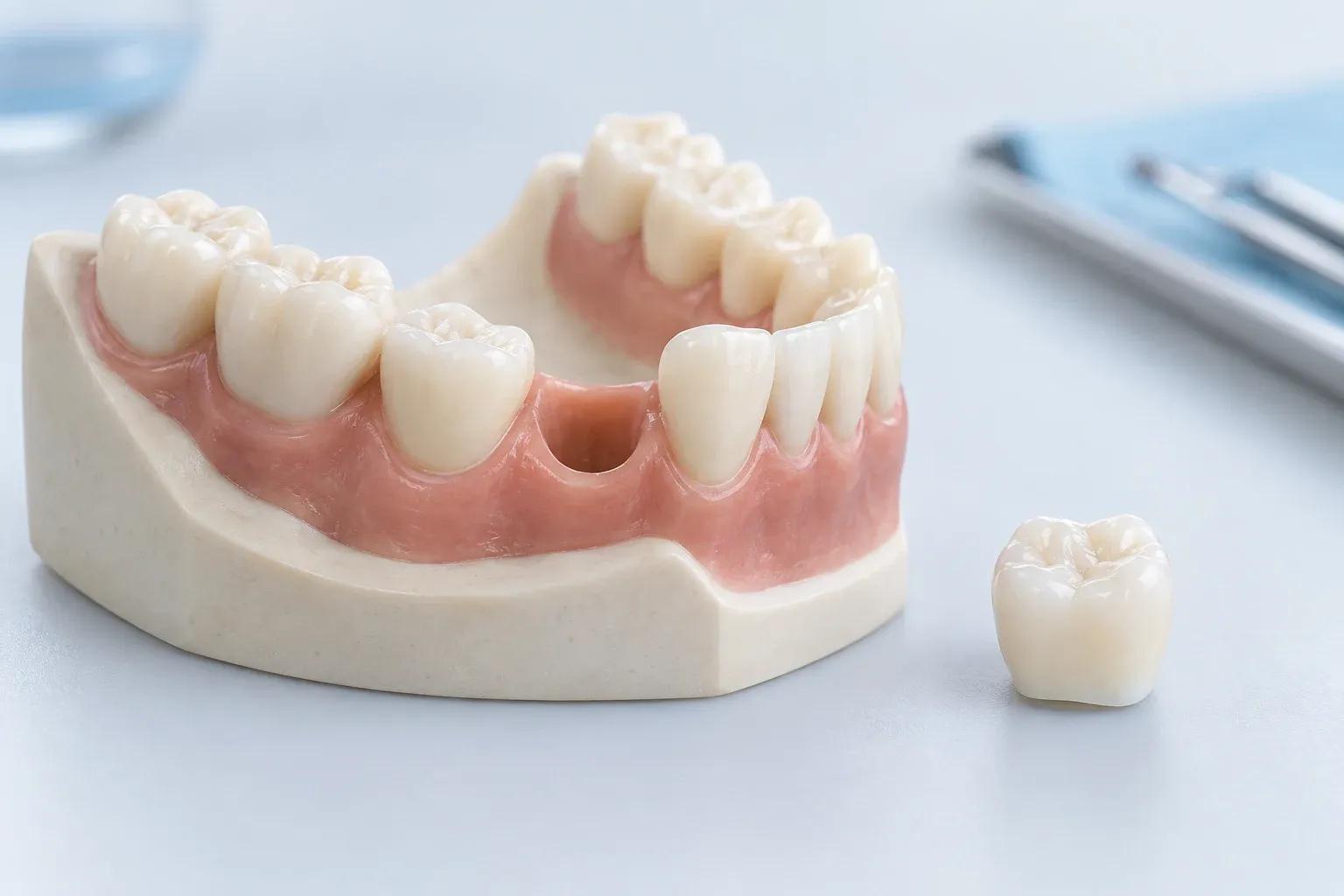
Tooth loss can have various causes. Implants offer a durable solution. This article discusses the assessment of causes, timing, alternatives, and aftercare.
View options