
Your first visit
Are you not yet a patient with us? Read how to register and how the first appointment goes. In your application, you can already explain your questions and wishes.
Information for new patientsAn implant can restore the functionality and aesthetics of your dentition after tooth loss. Read on for more information about the possibilities.
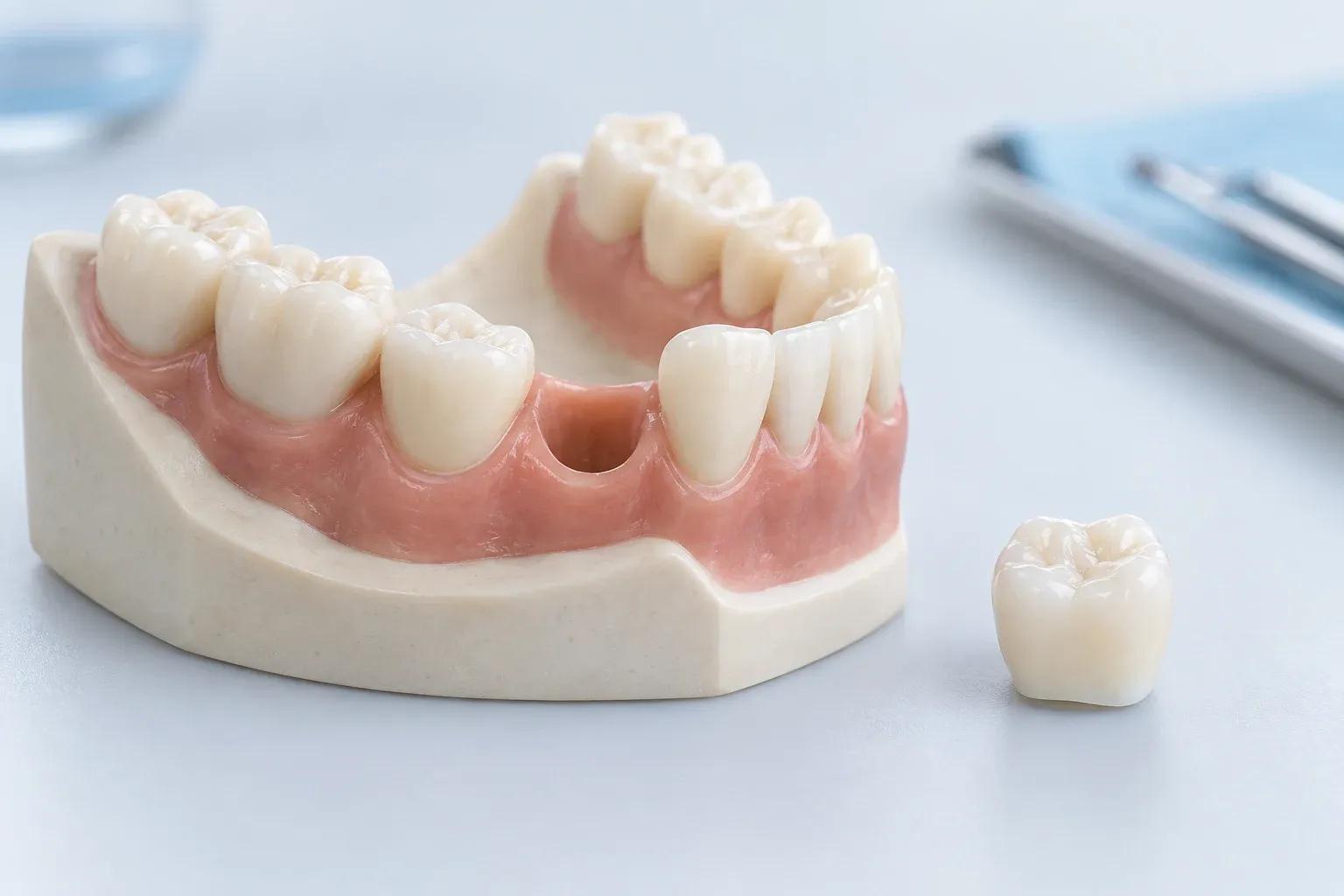
Tooth loss can have various causes. Implants offer a durable solution. This article discusses the assessment of causes, timing, alternatives, and aftercare.
Tooth loss can be a significant event that impacts your daily life. Implants are a popular solution to replace lost teeth. They not only provide aesthetic improvement but also functional benefits. In this article, we discuss the causes of tooth loss, the timing of implant placement, temporary solutions, and alternatives.
Before an implant is placed, it is important to assess the cause of tooth loss. Tooth decay, gum problems, or trauma can be reasons for the loss of a tooth. These causes must be treated to prevent recurrence.
The timing of implant placement is crucial. In some cases, immediate placement may be possible, but this is not always straightforward. It is essential to evaluate oral health and healing before placing an implant. This prevents complications and increases the chances of successful integration of the implant.
After tooth loss, a temporary solution may be needed while you wait for an implant. This can be a temporary crown or a removable denture. These solutions help maintain the functionality and aesthetics of your dentition. It is important to choose a solution that is comfortable and fits well.
It is important to discuss with your provider which temporary solution best suits your situation. This ensures that you can remain comfortable while waiting for the definitive treatment. Additionally, a temporary solution can help preserve the jaw structure, which is important for the future of an implant.
There are various alternatives to implants, depending on your specific situation. A bridge may be an option if multiple teeth have been lost. This can be a good temporary or permanent solution. Bridges are often less invasive and can be placed more quickly.
Removable dentures are also an alternative, especially if multiple teeth have been lost. Although they are not as sturdy as implants, they can provide a functional solution. It is important to discuss the pros and cons of each alternative with your provider to make the best choice for your dentition. Your personal preference and lifestyle also play a role in this.
Good preparation is essential before the placement of an implant. This includes taking X-rays and possibly a CT scan to assess the bone structure. A detailed treatment plan will be drawn up based on this data. This plan takes into account your specific needs and oral health.
Additionally, it is important to address any existing oral issues, such as gum inflammation, before the implant placement occurs. This increases the chances of a successful treatment. Your dentist can advise you on the best way to prepare for the procedure and what steps you can take to optimize your oral health.
Aftercare is a crucial part of the implant process. After placement, you must pay attention to good oral hygiene and have your mouth checked regularly. This helps prevent infections and other complications. It is also important to follow any instructions from your provider regarding diet and activities.
Your provider will give specific instructions on how to care for your implant. It is important to follow these instructions to ensure the longevity of your implant. Regular check-ups are essential to monitor the health of your implant and the surrounding tissue.
A thorough evaluation of the cause of tooth loss is the first step. This helps to determine the appropriate treatment options.
Discuss with your practitioner the options for temporary solutions to maintain the functionality of your teeth.
After evaluation, a treatment plan will be created, including the necessary preparations for implant placement.
The actual placement of the implant will take place according to the established treatment plan, with attention to aftercare.
After the treatment, good aftercare is essential. Regular check-ups help ensure the health of your implant.
The time before you can use your implant varies. This depends on the healing of the bone and the placement of the crown. Your practitioner will inform you about this. It usually takes a few months for the implant to be well integrated into your jaw.
The costs of an implant can vary based on different factors, such as the type of implant and the necessary treatments. It is wise to discuss this with your practitioner. Reimbursements by health insurers may also differ, so inquire about this for a clear overview.
Most people experience minimal pain during and after the placement of an implant. Anesthesia is used to minimize discomfort. Your provider can give you more information about pain management and what to expect after the procedure.
A well-maintained implant can last many years. Regular check-ups and good oral hygiene are crucial for the longevity of your implant. In some cases, an implant can even last a lifetime if properly cared for.
Not everyone is automatically suitable for an implant. Factors such as gum health and bone structure play a role. This will be assessed by your provider. Good oral health is essential for a successful implant treatment.
Are you not yet a patient with us? Read how to register and how the first appointment goes. In your application, you can already explain your questions and wishes.
Information for new patientsAre you apprehensive about an appointment? Tell us what you are worried about. Read more about our guidance and discuss what explanation or support you would find helpful.
Dealing with fear of the dentistAsk what treatment is being proposed and what costs are associated with it. Do you have questions about payment? Check the information about payment options or contact us.
Payment and payment optionsRequest an appointment, and we will see together what is needed.