
Your first visit
Are you not yet a patient with us? Read how to register and how the first appointment goes. In your application, you can already explain your questions and wishes.
Information for new patientsMultiple implants offer a durable solution for missing teeth. Learn more about the options, planning, and aftercare.
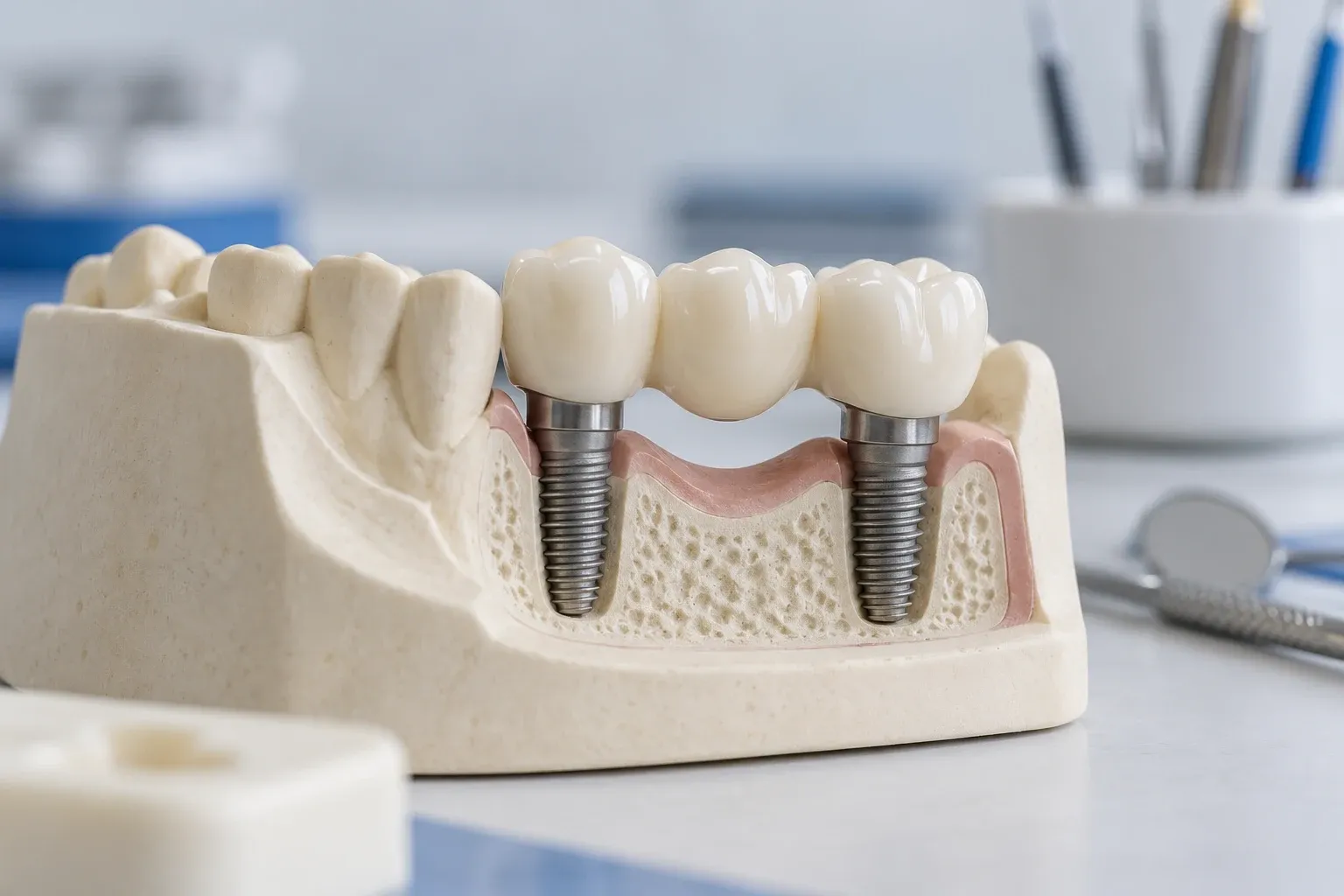
Multiple implants can be an effective solution for replacing missing teeth. This page provides insight into the process, the possibilities, and the maintenance required.
Replacing multiple missing teeth with implants can be a valuable solution for your oral health and aesthetics. Implants act as artificial roots that can support a crown, bridge, or removable prosthesis. This not only provides a functional solution but also enhances your self-confidence. In this text, we discuss the various aspects of placing multiple implants.
The number of required implants does not always directly correlate with the number of missing teeth. In some cases, one implant can support multiple teeth, for example, in the case of a bridge. This offers an efficient and aesthetic solution. It is important to discuss with your practitioner which option best suits your situation.
When choosing implants, it is crucial to consider the health of your jawbone and the space available. Sometimes additional procedures are necessary to create an optimal foundation for the implants. This can affect the planning and the number of required implants. A thorough preliminary examination is essential.
After placing multiple implants, your dentist may choose a bridge or separate crowns. A bridge is ideal when multiple teeth are missing next to each other, while separate crowns offer more flexibility. Choosing the right option depends on your specific situation and preferences. Your dentist can assist you in this decision.
Additionally, there are various aesthetic considerations and functional needs that play a role. It is important to discuss the desired outcome and how it can best be achieved. Your dentist will discuss the possibilities and limitations with you.
Good planning is essential for the success of the treatment. This includes a thorough evaluation of your oral health, taking X-rays, and developing a treatment plan. You will discuss the various steps and the timeline of the treatment with your dentist.
In addition to implants, alternatives are available, such as bridges or removable dentures. These options can also provide a solution for replacing missing teeth, depending on your situation. It is important to consider all possibilities and make the best choice together with your dentist.
The maintenance of implants is crucial for their long-term success. Regular check-ups and good oral hygiene are essential to prevent infections and other complications. You should brush and floss your teeth and implants daily.
Additionally, it is advisable to schedule regular appointments for professional cleaning. This helps maintain your oral health and ensures that any problems are detected early. Your dentist can advise you on the best maintenance procedures.
The costs for multiple implants can vary, depending on various factors such as the number of implants, the complexity of the treatment, and any additional procedures. It is important to obtain clarity in advance about the costs and what is or is not reimbursed by your health insurance.
Your dentist can provide you with an estimate of the total costs and the possible payment options. It is wise to have this conversation before the treatment begins, so you are not faced with surprises. Good financial planning is essential for a successful treatment.
During the preliminary examination, your oral health is assessed and X-rays are taken to plan the appropriate treatment.
Together with your dentist, you will establish a treatment plan that fits your situation and preferences. This includes the number of implants and the techniques to be used.
The implants are placed under local anesthesia. This process may vary depending on the complexity of your situation.
After the treatment, good aftercare and maintenance are essential. You will receive instructions for oral hygiene and follow-up appointments will be scheduled.
It is important to return regularly for check-ups to ensure the health of your implants and mouth.
The number of implants needed depends on your situation. Sometimes one implant can support multiple teeth, such as in the case of a bridge. This will be assessed during the preliminary examination.
Bridges provide a fixed solution for multiple missing teeth next to each other, while individual crowns offer more flexibility. The choice depends on your preferences and oral health.
The preliminary examination includes a thorough evaluation of your oral health, including X-rays. This helps in formulating an effective treatment plan.
Regular oral hygiene is essential. Brush and floss daily and also utilize professional cleaning to prevent inflammation.
The costs vary depending on the number of implants and the complexity of the treatment. Discuss this in advance with your dentist for a clear picture.
Are you not yet a patient with us? Read how to register and how the first appointment goes. In your application, you can already explain your questions and wishes.
Information for new patientsAre you apprehensive about an appointment? Tell us what you are worried about. Read more about our guidance and discuss what explanation or support you would find helpful.
Dealing with fear of the dentistAsk what treatment is being proposed and what costs are associated with it. Do you have questions about payment? Check the information about payment options or contact us.
Payment and payment optionsRequest an appointment, and we will see together what is needed.

In treatments on referral, collaboration plays a crucial role. On this page, we discuss the steps from referral to aftercare.
View options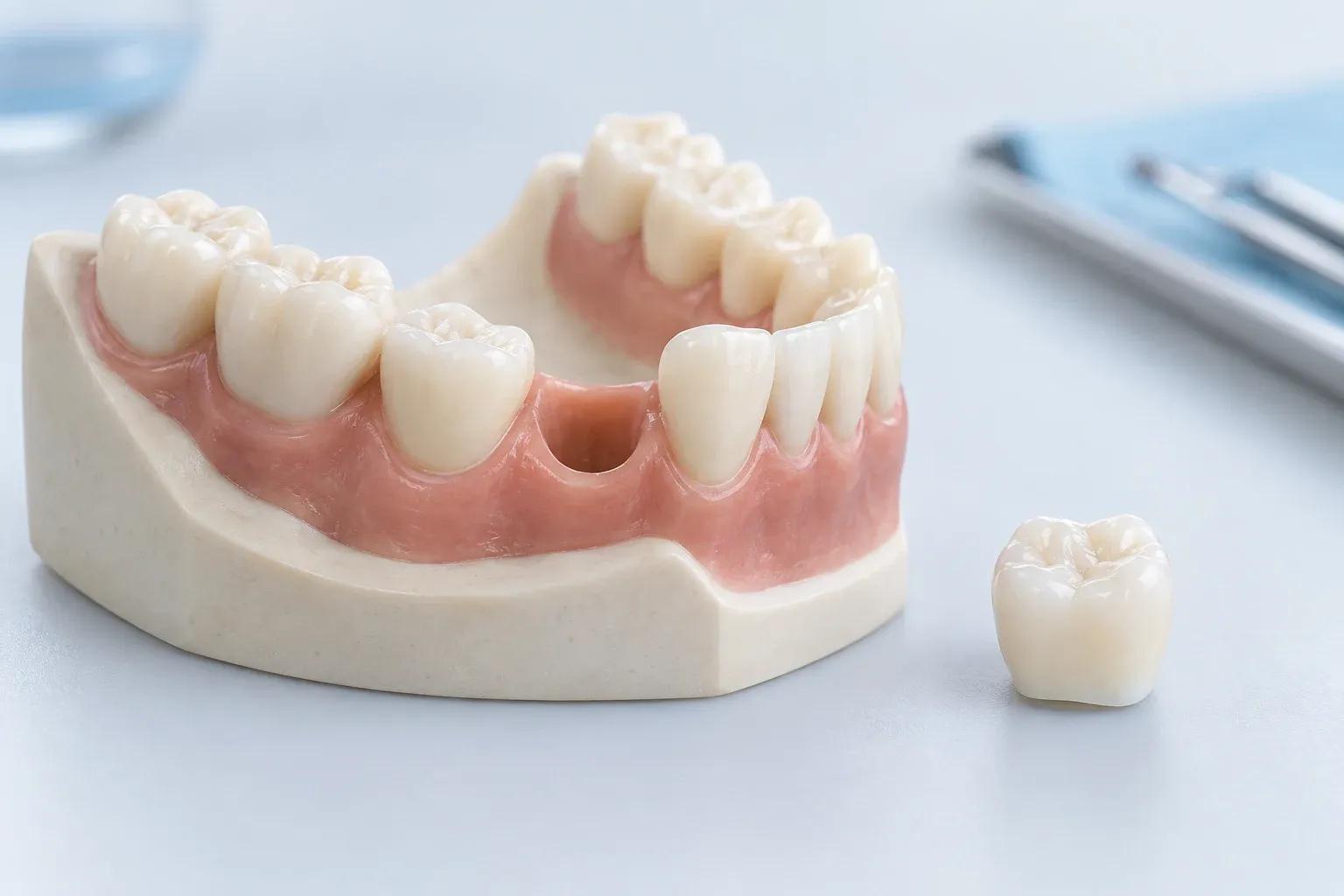
Tooth loss can have various causes. Implants offer a durable solution. This article discusses the assessment of causes, timing, alternatives, and aftercare.
View options