
Your first visit
Are you not yet a patient with us? Read how to register and how the first appointment goes. In your application, you can already explain your questions and wishes.
Information for new patientsInformation about bone augmentation and sinus lift for a solid foundation for your implants.
This page provides general information, not confirmation that this treatment is performed in our practices. Ask your practitioner about the possibilities and any referrals.
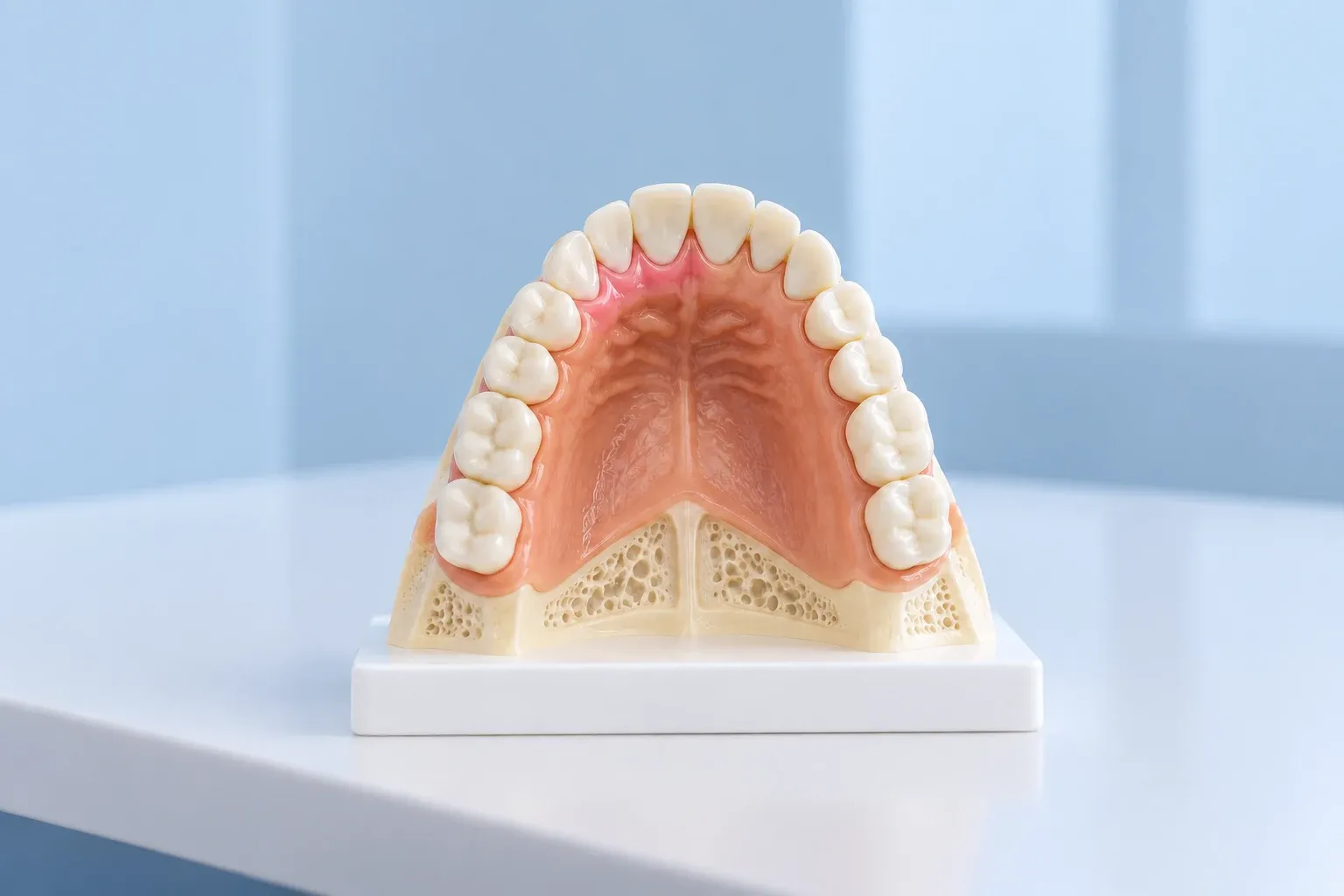
Learn more about bone augmentation and sinus lift, including assessment of bone volume, procedures, recovery, and individual risks.
Bone augmentation and sinus lift are procedures that are often necessary for the successful placement of dental implants. When there is insufficient bone volume, these treatments can help create a solid foundation. On this page, we discuss the assessment of your bone volume and anatomy, the various procedures and materials, and what you can expect during the recovery process.
Before a bone augmentation or sinus lift can take place, it is essential to assess your bone volume and anatomy. This is often done using X-rays or 3D images. Your provider will look at the thickness and height of the bone and assess whether there is enough space for implants. This examination helps determine the most suitable treatment options.
It is important to mention that not everyone needs a bone augmentation or sinus lift. Sometimes there may be sufficient bone present to place an implant without additional procedures. Your provider will advise you on this based on your specific situation.
There are different techniques for bone augmentation, including the use of autologous bone, donor bone, or synthetic materials. In a sinus lift, the jawbone in the upper jaw is elevated by gently lifting the sinus area and creating space for bone replacement. This can be done using various materials, depending on your situation and preferences.
The choice of material and technique depends on various factors, such as the amount of bone needed and your overall oral health. Your provider will discuss the options with you and help you make an informed choice.
After a bone augmentation or sinus lift, a recovery period is needed for the new bone to integrate with the existing bone. This can take several months, depending on the procedure and your individual healing. During this period, it is important to return regularly for check-ups so that your progress can be monitored.
You may experience some swelling and discomfort after the procedure, which is normal. Your provider will advise you on pain management and aftercare so that you recover as comfortably as possible.
As with any procedure, there are risks associated with bone augmentation and sinus lift. Possible complications include infections, bleeding, or poor healing of the bone. It is important to discuss these risks with your provider so that you are well-informed about what to expect.
Moreover, not all patients may be suitable for these procedures. Factors such as smoking, certain medical conditions, or medications can affect the success of the treatment. Your provider will take this into consideration when developing your treatment plan.
The costs for bone augmentation and sinus lift can vary, depending on the complexity of the procedure and the materials used. It is advisable to receive a cost estimate prior to the treatment so that you are not faced with surprises.
Reimbursement by your health insurer depends on your policy and the specific treatment. Contact your insurer to inquire about the possibilities and coverage.
Discuss your medical history and any medications with your practitioner. This helps determine suitability for bone augmentation or sinus lift.
X-rays or 3D images will be taken to assess the condition of your bone. This forms the basis for your treatment plan.
The procedure will be performed under local anesthesia. Your practitioner will ensure that you are well-informed about the process and what to expect.
After the procedure, it is important to follow the aftercare instructions. This can help ensure a smooth recovery and reduce risks.
Regular check-up appointments are essential to monitor your recovery and timely identify any complications.
A bone augmentation is a procedure in which additional bone is added to the jaw to create a solid foundation for dental implants. This may be necessary if there is insufficient bone volume present.
A sinus lift is a procedure in which the sinus area is elevated to create space for bone replacement. This helps to create sufficient height for implants in the upper jaw.
Recovery after a bone augmentation can take several months, depending on the procedure and your individual healing. Regular check-ups are important to monitor your progress.
Yes, as with any procedure, there are risks associated with bone augmentation and sinus lift. Possible complications include infections, bleeding, or poor healing of the bone.
The coverage for bone augmentation and sinus lift depends on your health insurer and policy. It is advisable to check this in advance to avoid surprises.
Are you not yet a patient with us? Read how to register and how the first appointment goes. In your application, you can already explain your questions and wishes.
Information for new patientsAre you apprehensive about an appointment? Tell us what you are worried about. Read more about our guidance and discuss what explanation or support you would find helpful.
Dealing with fear of the dentistAsk what treatment is being proposed and what costs are associated with it. Do you have questions about payment? Check the information about payment options or contact us.
Payment and payment optionsDiscuss your question and what follow-up step or referral may be appropriate.

In treatments on referral, collaboration plays a crucial role. On this page, we discuss the steps from referral to aftercare.
View options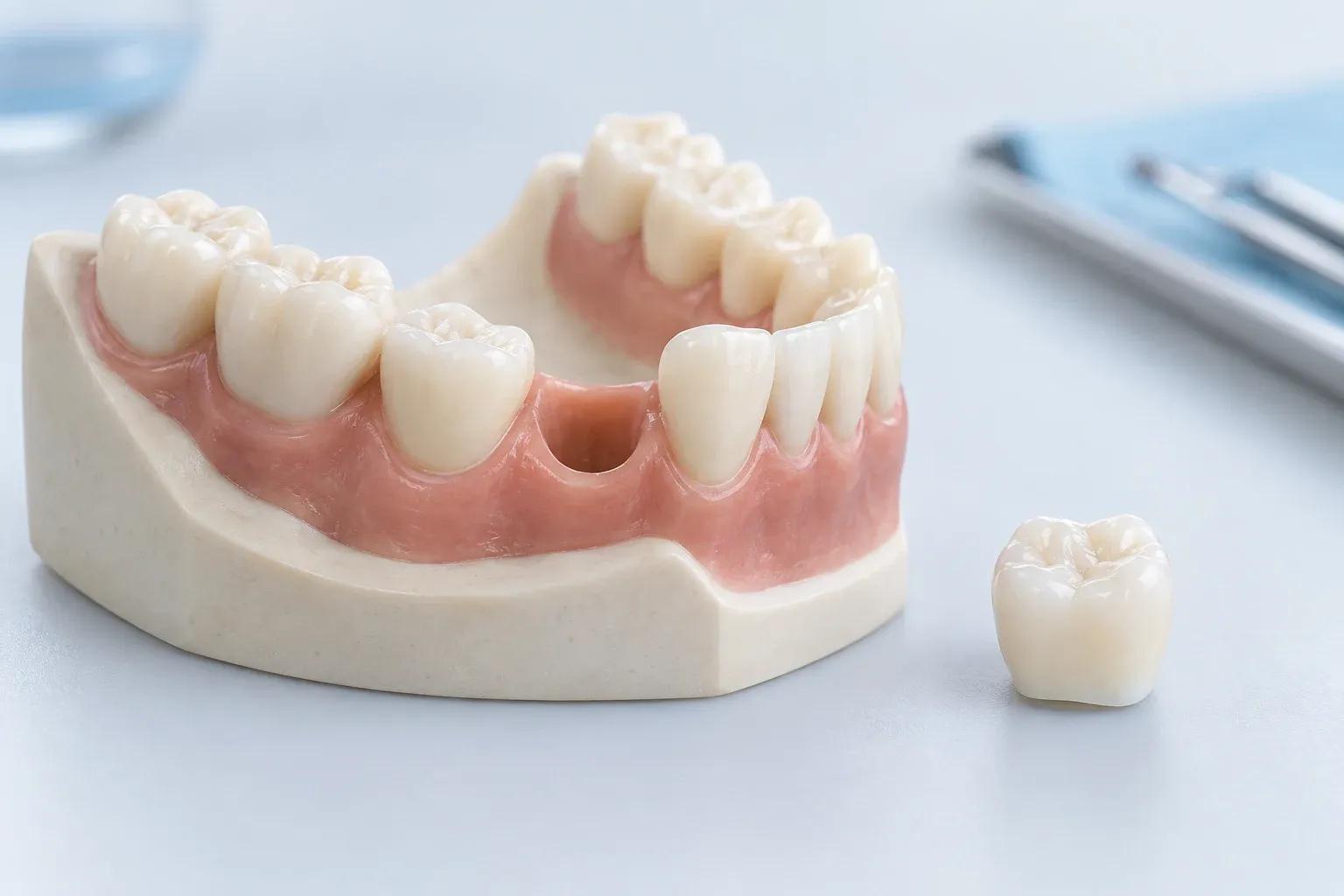
Tooth loss can have various causes. Implants offer a durable solution. This article discusses the assessment of causes, timing, alternatives, and aftercare.
View options